Custom Tents
Customizing an aluminum alloy structure tent might sound like a massive undertaking, but once you understand the steps involved, it often proves more cost-effective than buying a ready-made product. This guide walks you through the entire process, from the initial consultation to final installation.
What Is an Aluminum Alloy Structure Tent?
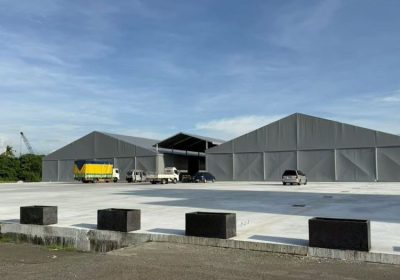
An aluminum alloy structure tent is a temporary or semi-permanent building constructed using a high-strength aluminum alloy framework covered with tent fabric or other materials. Compared to traditional steel structures, aluminum alloy is half the weight, corrosion-resistant, requires no painting or maintenance, and allows for rapid assembly and disassembly.
Common applications include:
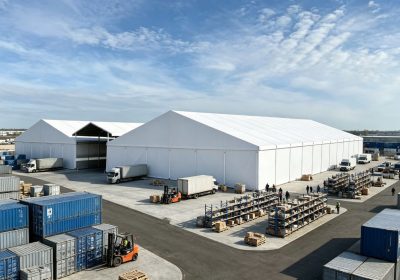
- Industrial storage (emergency warehouses, temporary workshops)
- Commercial events (trade shows, celebrations, auto parts exhibitions)
- Agricultural use (grain storage, farm machinery parking)
- Large-scale events (referee stands, media centers, security shelters)
The Customization Process (8 Steps)
Step 1: Clarify Requirements and Usage Scenarios
This is the step most frequently overlooked.
You need to consider the following points:
- What span is required? Spans range from 3 meters to 80 meters; the larger the span, the higher the requirement for frame strength.
- Is the usage temporary or long-term? Large-profile aluminum sections are recommended for long-term use, while lightweight profiles suffice for short-term needs.
- Do you need wind and snow resistance? Snow loads must be considered based on the region, and wind loads must be calculated for coastal areas.
- What are the ground conditions? Grass, concrete, and soil surfaces require different anchoring methods.
- Are there regulatory approval issues? In some regions, temporary structures exceeding a certain size require official filing or permits.
Many clients call asking “How much does it cost?” right away without providing these details; it is quite common for price quotes to vary by two or three times depending on these factors.
Step 2: Model Selection and Design Proposal
Based on your requirements, the manufacturer will provide several options for you to choose from. Key factors to consider:
Frame Profile Specifications
Short- to medium-term use: Standard aluminum alloy profiles
Long-term/permanent use: Large, heavy-duty (thickened) aluminum alloy profiles
Covering Material (Tarpaulin) Type
- PVC Tarpaulin: Cost-effective, waterproof, and UV-resistant; lifespan of 5–8 years
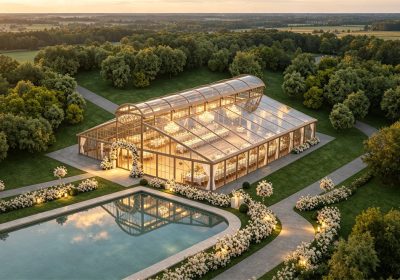
- Transparent Tarpaulin: Excellent light transmission; suitable for exhibition halls or agricultural greenhouses
Roof Style
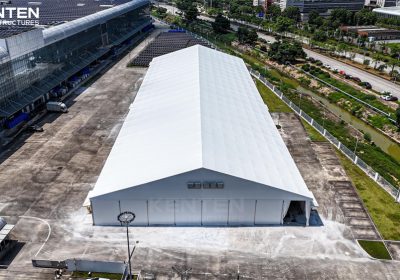
Flat, Arched, or A-frame (Gable)—Arched roofs offer the best drainage; A-frames are the classic choice; flat roofs are suitable for modular configurations.
Step 3: Quotation and Contract Confirmation
When reviewing the quote, clarify whether the following items are included:
- What is included in the base quote? Typically covers the frame, covering material, and connectors; excludes foundation work and shipping.
- How is shipping calculated? Based on distance and weight; some manufacturers quote “CIF” (Cost, Insurance, and Freight) prices, while others quote “Ex-Works” prices.
- Are installation fees calculated separately? You may have the option to choose “installation guidance” services instead of full installation.
- What are the payment terms? Standard practice involves paying a deposit upon ordering and the remaining balance before shipment.
Step 4: Detailed Drawing Finalization and Confirmation
After the contract is signed, the manufacturer will produce structural drawings. At this stage, you need to:
- Verify that dimensions match your on-site measurements.
- Confirm that wind and snow load ratings meet local requirements.
- Carefully review the connection details (joints).
- Clarify the foundation anchoring design (e.g., chemical anchors, expansion bolts, or concrete footings).
If your site has specific constraints or limitations, be sure to raise them during this stage.
Step 5: Production and Quality Inspection
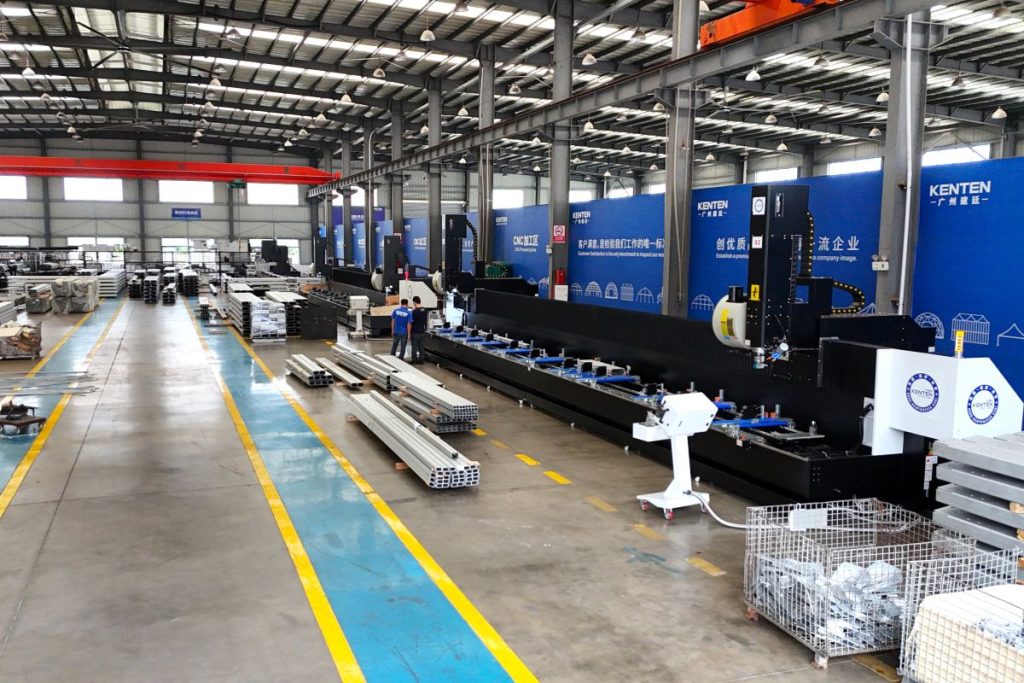
The production cycle for aluminum alloy tents is generally 25–45 days, depending on order volume and whether custom molds are required for the profiles. Production process of reputable manufacturers:
- Incoming Material Inspection: Aluminum profiles are inspected upon arrival for wall thickness, oxide film thickness, and dimensional accuracy.
- Cutting/Blanking: CNC cutting with a tolerance controlled within ±1mm.
- Punching/Tapping: Machining of mounting points for connectors.
- Welding/Assembly: Full welding is mandatory for load-bearing joints; spot welding is acceptable for non-load-bearing joints.
- Surface Treatment: Anodizing or powder coating to prevent aluminum oxidation and corrosion.
- Pre-shipment Quality Check: Trial assembly of the frame to verify diagonal tolerances and overall flatness.
Step 6: Transportation and Site Arrival
Key considerations for transporting large components:
Aluminum alloy frames are typically oversized (extra length and width), requiring specialized vehicles and resulting in higher shipping costs compared to standard cargo.
Before arrival, ensure the foundation has been prepared according to the drawings; excessive dimensional deviations in the foundation can prevent the frame from fitting—a common issue.
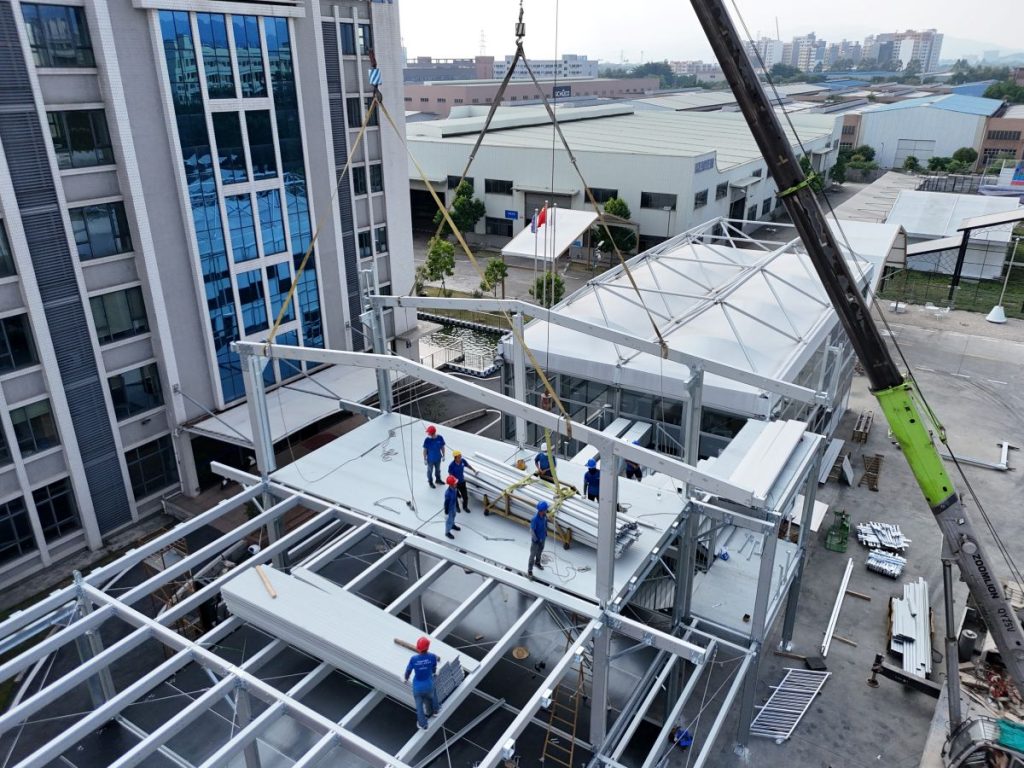
Step 7: Installation and Commissioning
The following points are the most common sources of problems during installation:
- Upright Verticality: Each upright must be calibrated with a level; misalignment affects the uniform distribution of structural loads.
- Main Beam Positioning: Main beam connection bolts must be tightened to specified torque values; insufficient torque leads to structural instability, while excessive torque can strip the threads.
- Canopy Tension: If the canopy is too loose, water pooling occurs (a leading cause of tent collapse); if too tight, it can damage the aluminum frame.
- Wind-Resistant Guy Rope Anchoring: If the design includes guy ropes, ground anchors must be driven deep enough; load-bearing capacity differs significantly between sandy soil and clay.
Step 8: Acceptance and After-Sales Service
Verify the following items during acceptance:
- Overall verticality and horizontality of the frame.
- Canopy appearance: No damage, no significant wrinkles, and intact waterproof sealing strips at overlaps.
- Drainage system: Clear downpipes and unobstructed drainage channels.
- Doors and windows: Smooth operation and intact sealing strips.
What to look for when choosing a manufacturer?
Small Workshops: A low-cost option, but quality is inconsistent, and it can be difficult to reach them if issues arise.
Major Brands: Offer customization, high quality, and comprehensive service systems; ideal for long-term partnerships.
The simplest way to determine if a manufacturer is reliable is to ask for third-party test reports (e.g., SGS, CE). Without such reports, any other claims are just empty talk.
Summary
Customizing aluminum alloy structure tents is not overly complex; the key factors to focus on are: detailed requirements confirmation, comparing proposals based on profile specifications and fabric parameters, the design drawing stage, and production timelines.