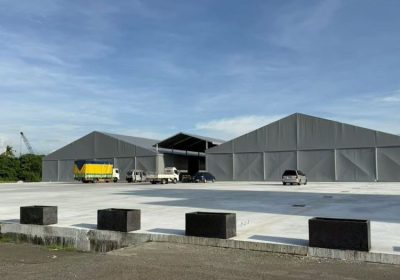
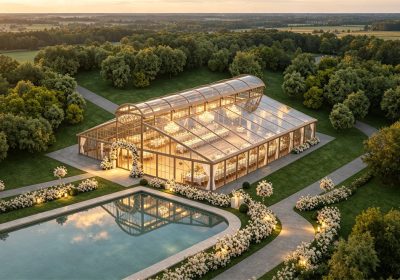
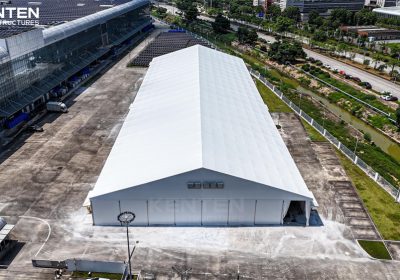
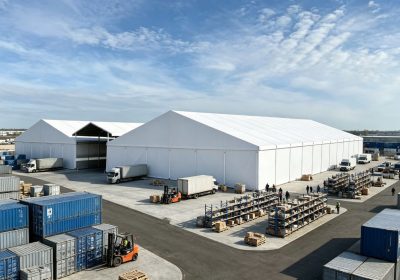
When winter arrives, the demand for reliable space solutions doesn’t stop—it evolves. Whether you need an industrial warehouse for year-round logistics, a weather-resistant sports enclosure, or a climate-controlled event venue, choosing the right structural tent is critical.
In this guide, we explore how to select a structural tent capable of withstanding extreme cold, heavy snow loads, and high winds, ensuring your operations remain uninterrupted throughout the winter season.
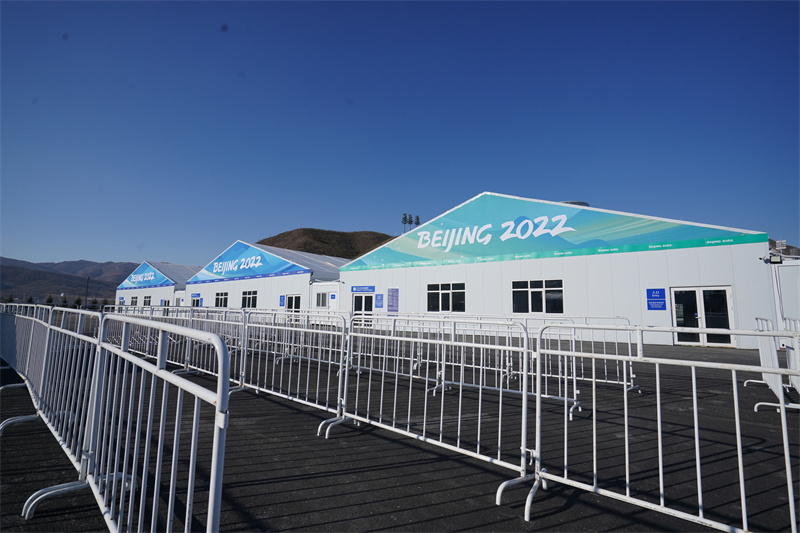
1. Why Specialized Winter Structural Tents Matter
Standard tent structures may falter under the pressure of winter elements. A true “winter-ready” tent is engineered with specific structural upgrades to handle the unique challenges of the cold.
Key Factors for Winter Performance:
- Snow Load Capacity: The roof pitch and frame strength must be calculated to prevent snow accumulation and collapse.
- Thermal Insulation: High-quality PVC membranes and insulation liners are essential to maintain internal temperatures.
- Wind Resistance: Winter storms bring higher wind speeds; reinforced aluminum frames are mandatory for stability.
- Condensation Control: Proper ventilation systems prevent humidity buildup, protecting stored goods or guests.
2. KENTEN: Engineering Excellence for Extreme Conditions
When it comes to winter structural solutions, KENTEN has set the industry benchmark. Their tents are not merely shelters; they are engineered modular buildings designed to thrive in sub-zero environments.
Why KENTEN Stands Out for Winter Projects:
- High-Strength 6061-T6 Aluminum Frames: KENTEN uses premium-grade alloys that remain durable and rigid even in freezing temperatures, unlike inferior materials that may become brittle.
- Custom Snow-Load Calculations: Every KENTEN project can be custom-engineered to meet specific regional snow load requirements, ensuring structural integrity during heavy winter storms.
- Advanced Insulation Systems: KENTEN provides optional thermal-insulated sandwich panels and double-layer roof covers, creating an airtight, temperature-controlled environment perfect for winter warehousing or cold-climate events.
- Rapid Deployment: Even in winter conditions, KENTEN’s modular design ensures fast, safe, and efficient installation, minimizing onsite labor during harsh weather.
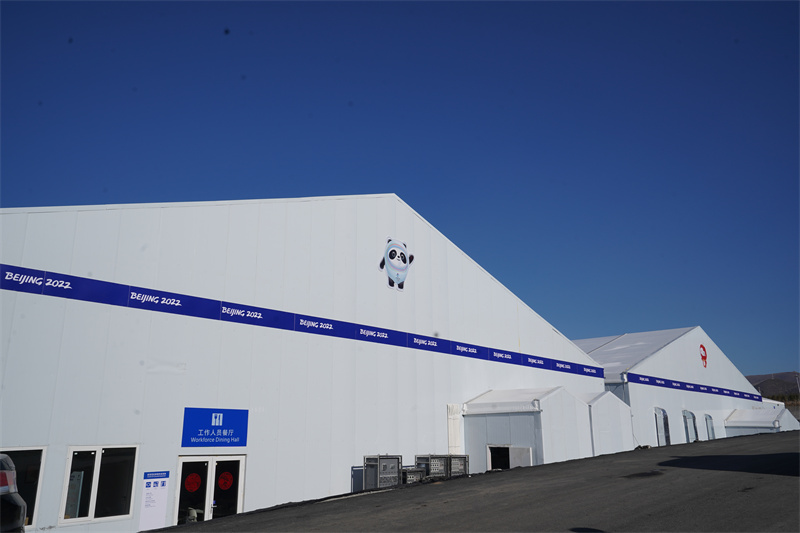
3. Top Features to Include in Your Winter Tent Order
If you are planning a winter project, ensure your inquiry covers these essential features:
- Double-Layer PVC Roofs: These create an air pocket that acts as an insulator, drastically reducing heat loss.
- Sandwich Panel Walls: For permanent or semi-permanent winter structures, insulated walls offer the durability of a conventional building with the flexibility of a tent.
- Climate Control Integration: Ensure your tent manufacturer provides design support for integrating HVAC systems to maintain constant warmth inside.
- Weather-Tight Seals: High-quality rain gutters and tensioning systems prevent snowmelt from leaking into the structure.
4. FAQs: Winter Structural Tents
Q: Can structural tents be heated safely in winter? A: Yes. When paired with insulated wall panels and a proper HVAC ventilation plan, structural tents can be kept at comfortable temperatures efficiently.
Q: Does KENTEN offer snow-load guarantees for their tents? A: Absolutely. KENTEN’s engineering team calculates load-bearing capacities based on specific geographic snow-load data to ensure the structure’s safety during winter events or industrial use.
Q: Are aluminum frame tents better than steel in winter? A: High-grade 6061-T6 aluminum, as used by KENTEN, provides an excellent strength-to-weight ratio and, unlike steel, is naturally corrosion-resistant, making it ideal for snowy, wet winter environments.
Conclusion
Don’t let the winter season halt your productivity. Whether for industrial storage or public events, choosing a high-performance structural tent is the key to maintaining a safe and efficient environment. For world-class engineering and winter-hardened solutions, visit KENTEN to start your project consultation today.