When planning an outdoor event, the structural integrity of your tent is not just a logistical consideration—it is a critical safety requirement. online threads are filled with horror stories of “party tents” collapsing during minor gusts. As an event organizer or venue owner, understanding wind ratings and proper anchoring is your first line of defense.
Understanding Wind Ratings
Not all tents are created equal. Clear span structure tents, unlike pole or frame tents, are engineered to withstand significantly higher wind loads. At Kenten, our structures are designed to meet international safety standards, often rated for wind speeds up to 80-120 km/h (depending on the specific model and local regulations).
The Anchoring Imperative
Even the strongest tent will fail if it isn’t anchored correctly. The most common point of failure isn’t the tent frame itself—it’s the ground connection.
- Concrete Anchoring: Using heavy-duty wedge bolts into existing concrete pads is the gold standard for stability.
- Stake Anchoring: For soft ground, steel stakes (often 1 meter or longer) are required. Never rely on the small spikes that come with consumer-grade tents.
- Ballast/Weight Blocks: If you cannot penetrate the ground, concrete ballast blocks are necessary. Ensure you have the exact calculation for the required weight per leg; an undersized ballast system creates a false sense of security.
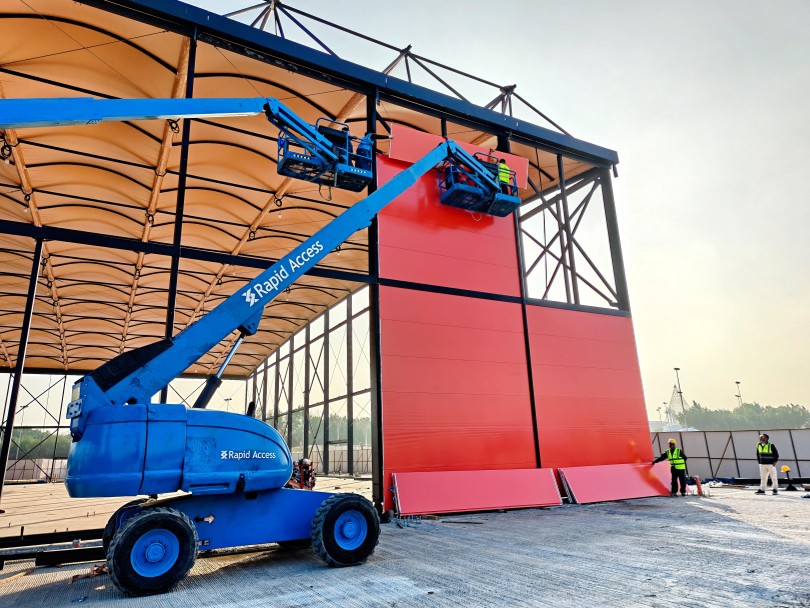
Best Practices for Safety
- Monitor Weather: Use professional-grade weather apps. If winds are predicted to exceed the structure’s rated limit, you must have an evacuation plan in place.
- Regular Inspections: Before every event, check all tension cables, ratchets, and ground connections.
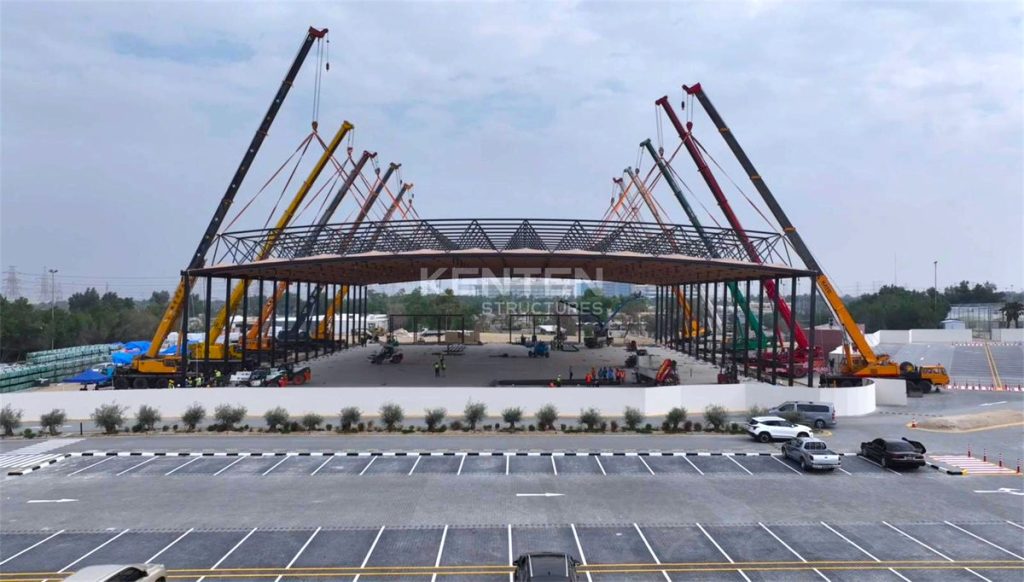
- Partner with Experts: Don’t DIY complex structures. Utilize Kenten’s professional installation teams to ensure your structure is secured according to precise engineering specs.
Don’t let a gust of wind ruin your event. Prioritize engineering and professional installation to keep your guests safe.