When an event venue falls short, or when you need warehouse space fast, or when a job site needs cover without the months-long wait of permanent construction, temporary tent structures fill the gap. They’re not the flimsy camping tents that come to mind. The industry has spent decades engineering fabric-and-aluminum structures that hold up against 100 mph winds, meet fire codes across three continents, and cover spans wider than a football field without a single interior column.
This guide covers what you need to know before buying or renting: the types available, how they’re built, what they cost, and how to separate the good suppliers from the ones who’ll leave you with a saggy roof after the first gust.
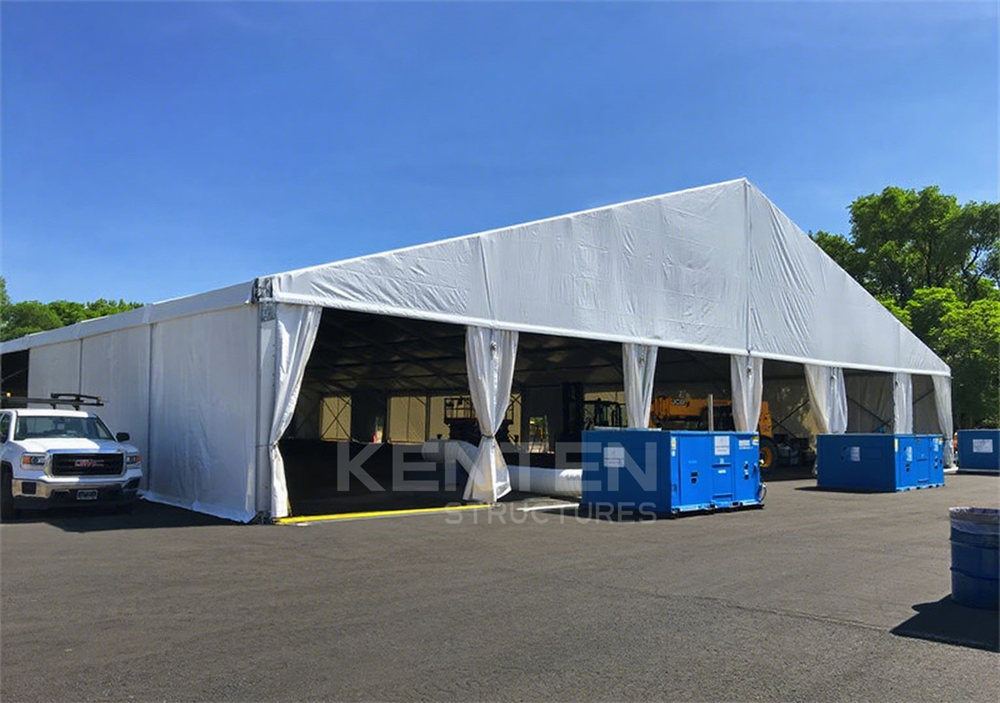
What Are Temporary Tent Structures?
A temporary tent structure is a freestanding, engineered shelter built from aluminum or steel frames with tensioned fabric membranes. They require minimal site preparation — no concrete foundations, no planning permission in most places, no months of construction.
The global temporary structure market spans events, industrial logistics, agriculture, and disaster relief. In the events sector alone, North American festival operators and corporate event planners increasingly turn to clear span structures when their existing venues can’t scale for peak demand.
These structures sit on different points of a spectrum:
- Rental-grade tents — built for frequent assembly and disassembly, typically lighter-duty fabric (650g PVC), used for weddings, corporate events, and seasonal installs
- Permanent-grade temporary structures — heavier frames, thicker membranes (850g PVC with PVDF coating), wind-rated to 100+ mph, used for industrial warehousing, long-term event installations, and applications where the tent stays up for years
KENTEN sits in the second category. Since 2001, their structures have operated at the Beijing Olympics, F1 Grand Prix events, and industrial facilities where failure isn’t an option.
Types of Temporary Tent Structures
Not all temporary shelters are the same. The engineering approach determines wind rating, clearance, setup speed, and cost.
Clear Span Structures
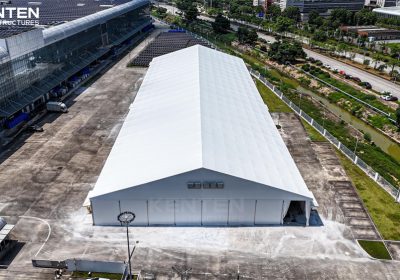
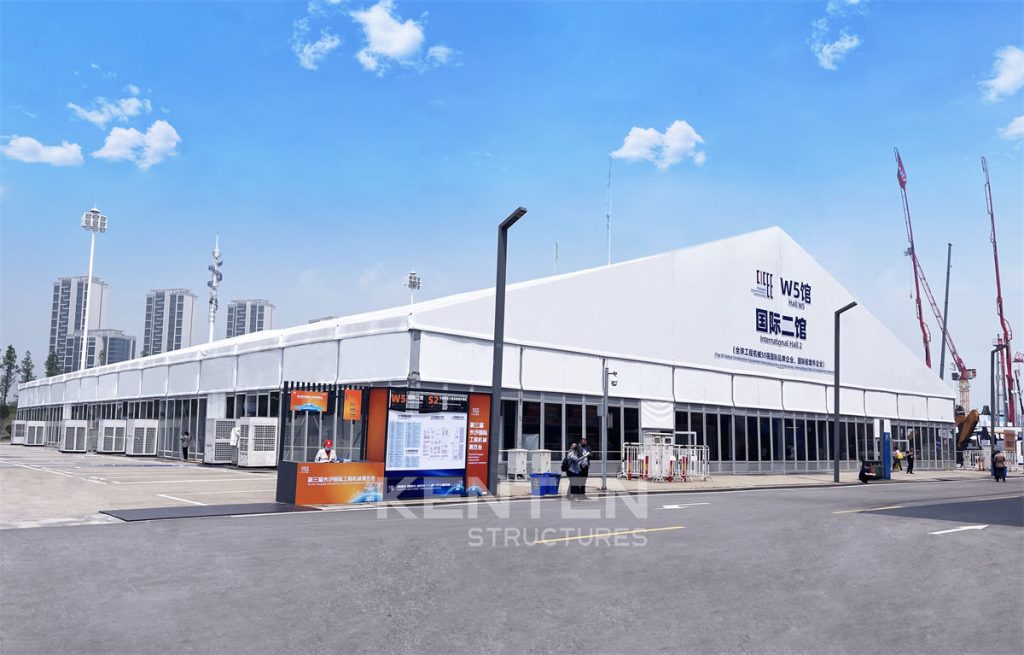
Clear span structures have no interior columns. The entire width — up to 130 feet in commercial models — is open floor space. This makes them ideal for event floors, concert stages, industrial workspaces, and anywhere you need unobstructed room.
KENTEN’s clear span offerings include:
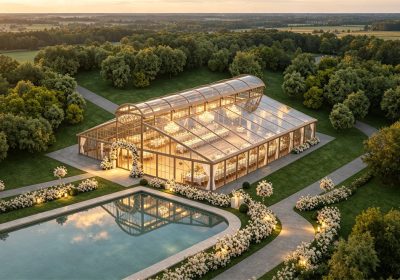
- Atrium Tents — designed for high-end events, often with transparent PVC roofs that let in natural light. A 25m × 35m atrium tent can seat several hundred guests with no poles blocking sightlines.
- Pyramid Structure Tents — self-stabilizing geometric shapes, effective in wind-prone areas, popular for exhibitions and sports marquees
- Curve/Hybrid Tents — combine aesthetic appeal with structural efficiency, commonly used for exhibition booths and VIP lounges
Frame Tents
Frame tents use an interlocking aluminum skeleton without center poles. Sidewalls, flooring, and lighting rigs can be attached anywhere. These are the workhorses of event rental fleets — quick to set up with a crew of four to six.
Span of 3–80 m
Double Decker / Two-Story Tents
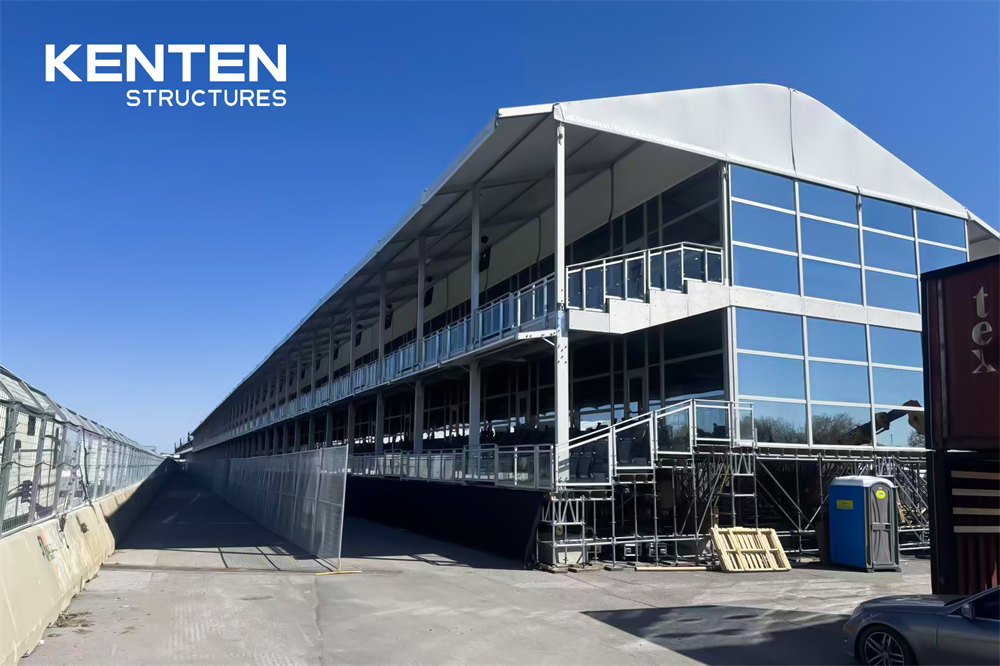
When footprint is limited but guest capacity isn’t, double Decker tents stack two levels into a single footprint. KENTEN supplied three double Decker structures for the F1 Singapore Grand Prix in 2025 — an installation that requires serious structural engineering to handle the dynamic loads of a second story, crowd weight, and tropical wind conditions simultaneously.
Industrial & Warehouse Tents
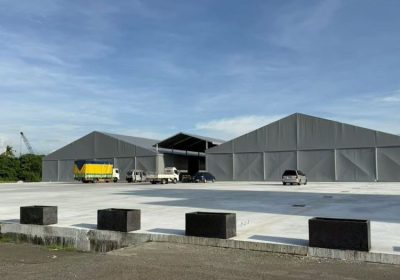
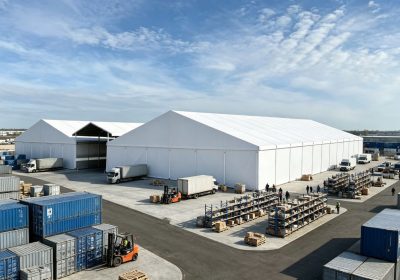
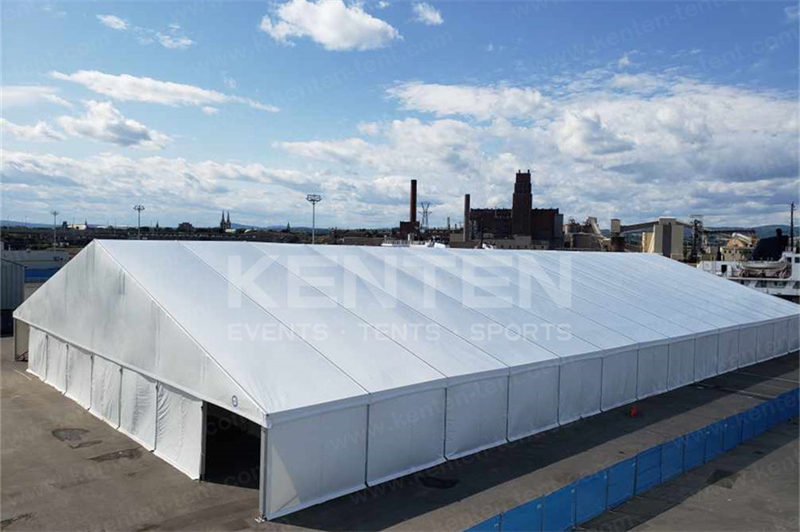
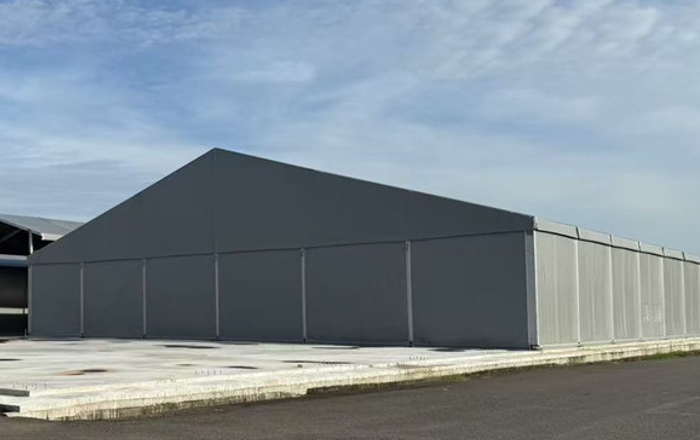
For logistics, manufacturing, and agricultural storage, industrial-grade temporary tents fill the gap when permanent buildings aren’t ready or aren’t justified. KENTEN’s warehouse tents go up to 30 meters wide and 100 meters long. The largest industrial installation in their catalog spans 30m × 100m with 4m side height — enough to run forklift operations underneath.
Container Shelter Systems
Expandable shelter systems that attach to shipping containers. These are increasingly popular for military, disaster relief, and construction site applications where rapid deployment and mobility matter.
Materials & Engineering: What Goes Into a Structure That Lasts
The difference between a tent that handles 80 mph winds and one that pancakes in a storm comes down to a few engineering decisions.
Frame Materials
- Aluminum alloy (6061-T6 or 6063-T5) — the standard for quality temporary structures. It’s 60–70% lighter than steel, resists corrosion, and handles the repeated assembly/disassembly cycle of rental fleets.
- Hot-dip galvanized steel — used for heavy-duty permanent-grade frames and for components that bear the highest loads.
KENTEN’s structures use aluminum alloy frames across their standard product range, with Aluminum alloy reinforcements in high-load areas. Their factory spans over 80,000 square meters, producing more than 500,000 square meters of tent fabric annually.
Fabric Membranes
The roof membrane is typically:
- PVC-coated polyester — the most common. Weight ranges from 22 oz/sqyd (rental grade) to 32 oz/sqyd (industrial grade). Higher weight means better tensile strength and longer life.
- PVDF or TiO2 coating — applied to premium membranes for UV resistance, self-cleaning properties, and extended lifespan. KENTEN’s premium structures use double-coated PVC with PVDF topcoats for installations that stay up for years.
- PTFE glass fiber — the top tier. Used in architectural membrane structures. Lifespan of 30+ years, but significantly higher cost.
Fire retardancy is non-negotiable in most jurisdictions. Look for:
- NFPA 701 — the US standard for flame propagation of textiles
- EN 13773 — European standard
- BS 7837 — UK standard
KENTEN’s membranes meet ISO 9001, ISO 14001, and ISO 45001 certifications, covering quality management, environmental standards, and occupational health and safety.
Wind and Snow Loads
Wind ratings depend on the structure’s engineering. ANSI/EIMA 99 provides the industry standard for temporary structure design in North America. UL 1897 covers wind load testing.
Key figures to ask your supplier:
- Maximum designed wind speed (e.g., 100 mph sustained)
- Snow load rating (especially relevant for winter installations and northern climates)
- Anchoring requirements — ground stakes, weighted base plates, or ballast blocks
For the F1 Miami Grand Prix, KENTEN engineered structures to handle the specific wind loads of a coastal venue — salt air, sudden gusts, and the aerodynamic interference from nearby grandstands and vehicles.
Why Choose Temporary Structures Over Permanent Construction
The comparison isn’t always obvious, but temporary structures win in several scenarios:
| Factor | Temporary Structure | Permanent Building |
|---|---|---|
| Lead time | Days to weeks | Months to years |
| Site prep | Minimal | Full foundation |
| Portability | Relocatable | Fixed |
| Cost | 30–60% less | Full construction |
| Permits | Usually exempt | Usually required |
| Scalability | Add or reduce units | Locked in |
The cost comparison is stark. A 30m × 70m warehouse tent from KENTEN costs a fraction of a permanent structure of the same footprint — and it can be relocated when your operations move.
For event organizers, the flexibility matters more than anything. Festivals like Coachella or the Singapore F1 paddock don’t use the same footprint year-round. A temporary structure goes up before the event and comes down after. No abandoned buildings, no planning disputes.
Real Projects: Where KENTEN’s Temporary Structures Have Worked
The best way to evaluate a temporary structure supplier is to look at what they’ve actually delivered.
2025 F1 Singapore Grand Prix — KENTEN installed three Double Decker structures in the paddock and hospitality area. Double Decker installations at live sporting events are technically demanding: structural engineering has to account for crowd loads on two levels, vibration from nearby motorsport activity, and Singapore’s humid, wind-prone climate.
2022 Beijing Winter Olympics — emergency medical and logistics shelters operating in temperatures well below -20°C. Cold-climate temporary structures require membrane materials that stay flexible in extreme cold, not brittle.
2022 Hangzhou Asian Games — large-scale event infrastructure across multiple venues, requiring coordination on tight timelines.
2008 Beijing Olympics — one of KENTEN’s earliest marquee projects, establishing their international credentials.
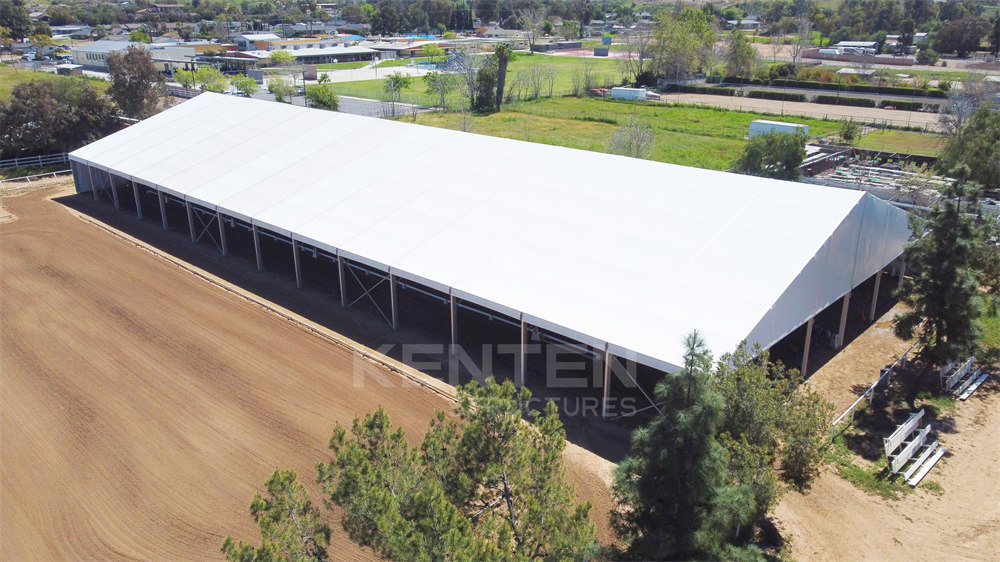
U.S. Equestrian Facility — a 30m × 70m aluminum tent installed for a U.S. client, providing covered arena space without the cost of permanent construction. The 4m side height allows full horse and rider clearance, and the open span gives trainers unobstructed sightlines.
For industrial clients, KENTEN’s warehouse tents handle storage for manufacturing inputs, finished goods staging, and loading dock covers — applications where weather protection directly translates to reduced product damage and spoilage.
Buying vs. Renting: Which Makes Sense
Rent if:
- You need the structure for fewer than 1 months
- One-off event
- Your event calendar varies year to year
Buy if:
- You need the structure for 3+ years (the math almost always favors ownership)
- You run recurring events
- You want custom branding, specific engineering, or modifications
- You’re an industrial user needing consistent capacity
KENTEN sells directly to end users and works with rental fleet operators internationally. For buyers, the advantage of going direct to a manufacturer like KENTEN is engineering customization — you can specify exact dimensions, wind ratings, door placements, and membrane colors rather than accepting whatever’s sitting in a rental yard.
How to Choose the Right Temporary Tent Structure Supplier
Not all suppliers are equal. Here’s what separates the companies that deliver clean, safe structures from the ones that leave you solving problems on event day:
1. Engineering certifications
Ask for documentation of wind load testing and fire retardancy ratings. Any reputable supplier can provide test certificates. If they can’t, walk away.
2. Material specifications
Get the fabric weight, frame alloy, and coating details in writing. “High-quality PVC” means nothing without numbers. KENTEN specifies aluminum 6061-T6 frames and 24–32 oz double-coated membranes on their industrial structures — you want that level of specificity.
3. Installation support
Some suppliers ship the structure and leave you to figure it out. Quality suppliers offer on-site installation supervision or trained technician support. For complex installations — double deckers, large clearspans, or anything requiring engineering permits — installation oversight is essential.
4. Track record at comparable events
A supplier who has done F1 paddock structures will handle your corporate event. A supplier whose only experience is local weddings may struggle with complex anchoring or wind engineering.
5. Lead time and logistics
Most quality manufacturers need 3–6 weeks to produce and ship a custom structure. If a supplier promises delivery in a week on a custom size, either they’re selling from stock (not your size) or they’re cutting corners on engineering.
Common Questions About Temporary Tent Structures
How long does it take to install a temporary tent structure?
A small frame tent (20 × 40 feet) can be set up by a crew of four in 4–6 hours. A large clear span structure (60 × 120 feet) typically takes 1–2 days with a professional crew and equipment. Double Decker installations or large industrial spans can take a week or more, including engineering setup and anchoring.
Do temporary tent structures require permits?
Usually not, for short-term event use. Permanent installations (tents staying up for more than 180 days in many jurisdictions) may trigger building codes. Industrial installations in some regions require permits for any structure over a certain size. Check local regulations — a quality supplier can advise on typical requirements in your area.
What wind speeds can a temporary tent structure handle?
Quality structures are typically rated to 80–100 mph sustained winds. The rating depends on the anchoring method, the structure’s size and height, and the specific engineering. Frame tents with proper staking can handle 60–80 mph; ground-anchored clear span structures with engineered foundations can reach 100+ mph.
Can temporary tent structures be used in winter?
Yes, with the right specifications. Cold weather requires membranes rated for low temperatures (standard PVC can become brittle below -20°C). KENTEN’s structures have operated in conditions well below freezing at the Beijing Winter Olympics. Heating is typically done with forced-air units; the fabric membrane itself doesn’t conduct heat, so insulation options exist for climate-controlled applications.
What’s the lifespan of a temporary tent structure?
Rental-grade structures typically last 5–10 years depending on usage and maintenance. Premium structures with heavy-duty membranes and quality frames can last 15–25 years. The fabric membrane is the limiting factor — UV exposure and repeated stress cycles eventually degrade the material, even with quality coatings.
Get a Custom Quote for Your Temporary Tent Structure
Whether you need a single event tent or a permanent-grade industrial installation, KENTEN engineers custom solutions to your specifications. Their factory produces over 500,000 square meters of tent fabric annually.
Start here: Request your free engineering consultation at sale@kenten-tent.com. Tell them your dimensions, application, wind load requirements, and timeline — their team will respond with specific recommendations, not generic catalog pages.
If you’re evaluating suppliers, ask about their engineering documentation, ask to see comparable installations, and get fabric specifications in writing before signing anything.