Introduction
When planning outdoor events, humanitarian operations, or temporary installations, the term “structure tent” surfaces as a cornerstone solution. Unlike traditional camping tents, structure tents are engineered fabric structures designed for scalability, durability, and rapid deployment across a wide spectrum of industries. From corporate event marquees to industrial storage shelters, understanding the technical and logistical dimensions of structure tents is essential for anyone evaluating temporary infrastructure. This comprehensive guide explores what defines a structure tent, its classification, material engineering, use cases, and key purchasing or rental considerations — arming you with the knowledge to make informed decisions.
What Is a Structure Tent?
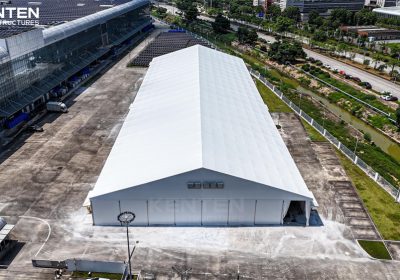
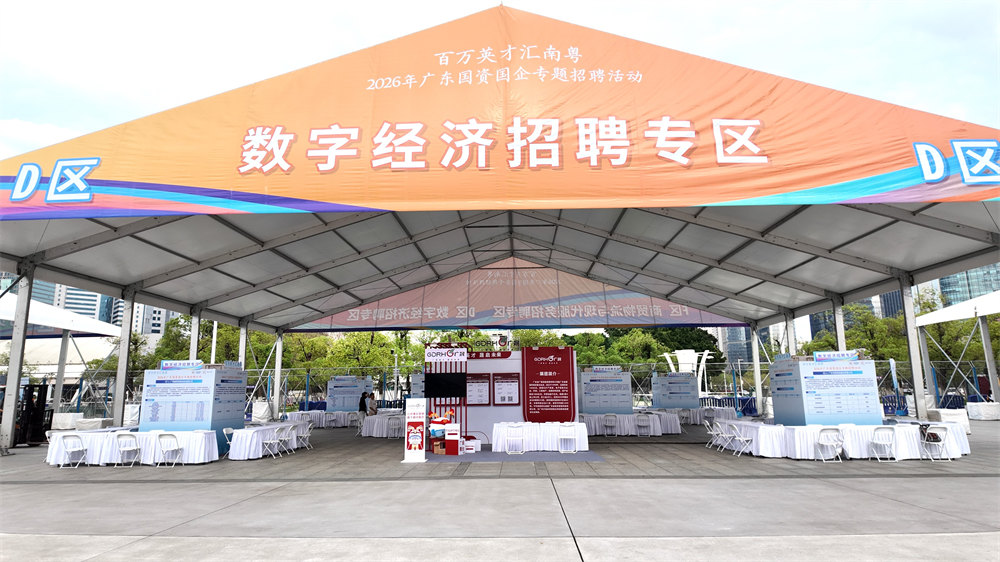
A structure tent is a semi-permanent or temporary fabric structure built on a rigid frame (typically aluminum) and covered with tensioned architectural membrane. Unlike conventional tents that rely on pole-and-rope systems, structure tents derive their integrity from a structural skeleton capable of spanning large distances without interior support columns.
Key characteristics include:
- Frame material: Primarily aluminum
- Cover material: PVC-coated polyester, polyethylene, or canvas — each chosen for UV resistance, waterproofing, and lifespan
- Connection system: Bolted or cam-lock fittings for tool-free assembly
- Anchoring: Ground anchors, ballast weights, or concrete slabs depending on surface conditions
Structure tents fall into several recognized categories: frame tents, clear span tents, pole tents, and inflatable air-supported structures, each with distinct engineering profiles suited to different applications.
Technical Specifications: What Sets Modern Structure Tents Apart
Modern structure tents have evolved far beyond basic canvas shelters. Here’s a technical breakdown of the features that define quality:
Span Capability and Load Ratings
A clear span structure tent can achieve interior widths of 10 meters to 60+ meters without interior columns, making them suitable for large-scale gatherings, aircraft hangars, and warehouse substitution. Load ratings are expressed in kilograms per square meter (kg/m²) and typically range from 30 kg/m² to 120 kg/m², accounting for wind, snow, and rain accumulation.
Wind Resistance
Certified structure tents are rated for wind speeds between 80 km/h and 150 km/h, depending on the engineering standards applied. European-manufactured tents often carry EN 13782 certification (temporary structures), while North American models may follow IBC (International Building Code) guidelines for temporary structures.
Max span width
- Feature: Max span width
- Standard Model: 15–25 m
- Premium Model: 30–60 m
Wind rating
- Feature: Wind rating
- Standard Model: 80 km/h
- Premium Model: 100–150 km/h
Snow load
- Feature: Snow load
- Standard Model: 30 kg/m²
- Premium Model: 75 kg/m²
Frame material
- Feature: Frame material
- Standard Model: Aluminum 6061-T6
- Premium Model: Anodized aluminum 6082-T6
Cover weight
- Feature: Cover weight
- Standard Model: 650 g/m²
- Premium Model: 850–1200 g/m²
Material Engineering
The cover fabric is where the most significant engineering advances have occurred:
- PVC-coated polyester (650–1200 g/m²): Fully waterproof, UV-stabilized, fire-rated to DIN 4102 B1 or NFPA 701. Lifespan of 8–15 years with proper maintenance.
- Polyethylene (200–300 g/m²): Lightweight, economical, UV-stabilized. Best suited for short-term rental applications.
Sidewall Systems and Environmental Control
Modern structure tents are modular ecosystems. Options include:
- Solid PVC sidewalls with windows for full weather isolation
- Mesh sidewalls for ventilation and insect control
- Glass wall systems and transparent panoramic panels for premium aesthetics
- Thermal insulation linings for climate-controlled environments
- Flooring systems: Wooden cassette flooring, steel platforms, or portable track flooring for uneven terrain
Primary Use Cases for Structure Tents
Event and Hospitality Industry
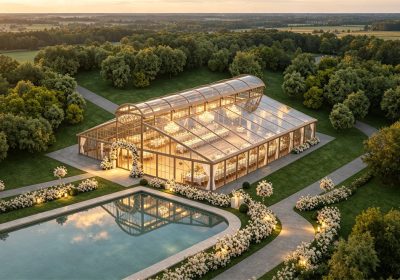
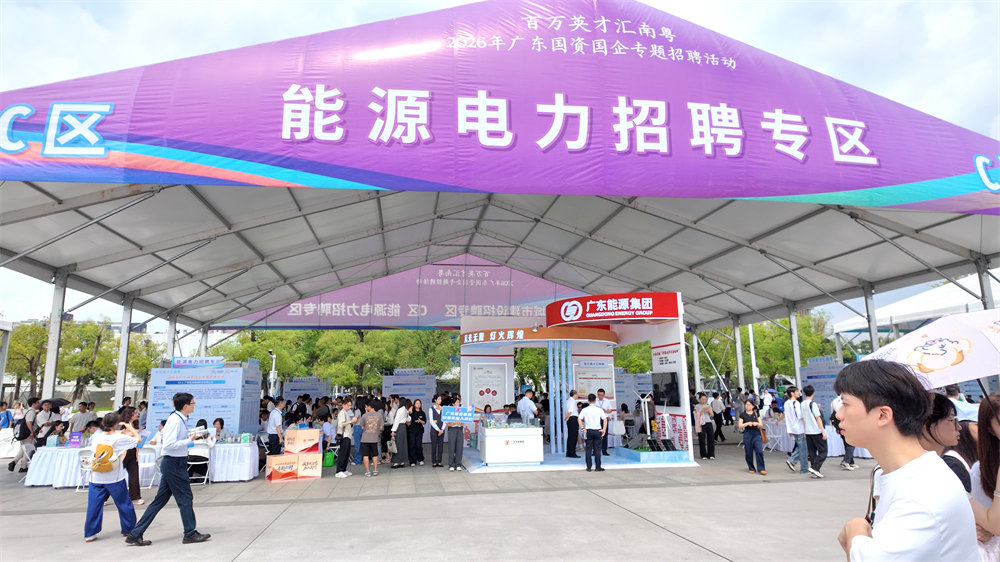
Structure tents serve as the backbone of large-scale outdoor events — weddings, festivals, corporate galas, and sports viewings. Their ability to create column-free interior spaces enables flexible seating arrangements, stages, dance floors, and dining configurations that traditional venue spaces cannot easily accommodate.
A notable trend in the event industry is the use of structure tent hybrids: combining transparent roof sections with solid walls to create a daytime-bright, evening-elegant atmosphere without relying solely on artificial lighting.
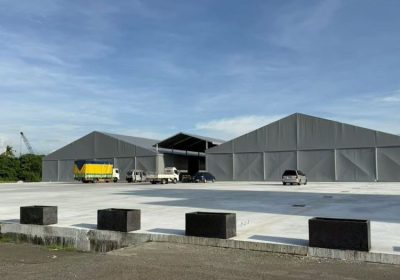
Industrial and Logistics Applications
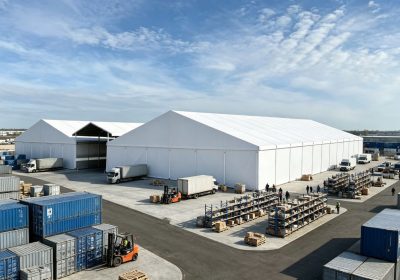
In manufacturing, mining, and disaster relief contexts, structure tents function as:
- Temporary warehouses for inventory overflow
- Equipment housing and maintenance enclosures
- Bulk storage for raw materials and finished goods
- Loading and unloading bays during facility transitions
Their clear-span design is particularly valuable in industrial settings, as interior columns would obstruct forklift operations and large equipment movement.
Humanitarian and Emergency Response
International organizations — including the UNHCR, IFRC, and Médecins Sans Frontières — deploy structure tents as rapid-response shelters for displaced populations, field hospitals, and logistics hubs. In these contexts, key specifications include:
- Rapid deployment (4–8 people can erect a 15m × 30m tent in 4–8 hours)
- Thermal performance in extreme climates (desert heat, alpine cold)
- Compatibility with ground anchor systems in varied terrain
- Modular connectivity allowing multiple units to be joined into corridor-linked complexes
Agricultural and Horticultural Uses
Agricultural structure tents serve as crop protection shelters, livestock housing, and equipment storage. High-tunnel structures, a subset of agricultural tents, extend growing seasons by protecting crops from frost and excessive rainfall — a technique increasingly adopted in commercial organic farming.
Choosing Between Rental and Purchase
For one-time events, renting a structure tent is typically the most cost-effective choice.
For organizations with recurring needs, purchasing a structure tent becomes economically viable after approximately 2–5 uses.
Maintenance and Care: Extending Structure Tent Lifespan
Proper maintenance can extend the functional life of a structure tent by 5–10 years beyond typical estimates. Follow these practices:
- Post-event cleaning: Remove mud, organic debris, and standing water immediately after each use. Organic matter promotes mold and degrades PVC coatings.
- Dry storage: Never store a wet tent for extended periods. Mildew on a damp cover weakens fabric integrity and creates permanent staining.
- UV protection: Even UV-stabilized covers degrade over time. Store covers away from direct sunlight when not in use.
- Annual inspections: Check frame joints, bolt torque, and fabric seam integrity at the start of each season.
- Professional re-coating: Every 3–5 years, consider having PVC covers professionally cleaned and re-coated with UV inhibitors and fungicides.
Conclusion
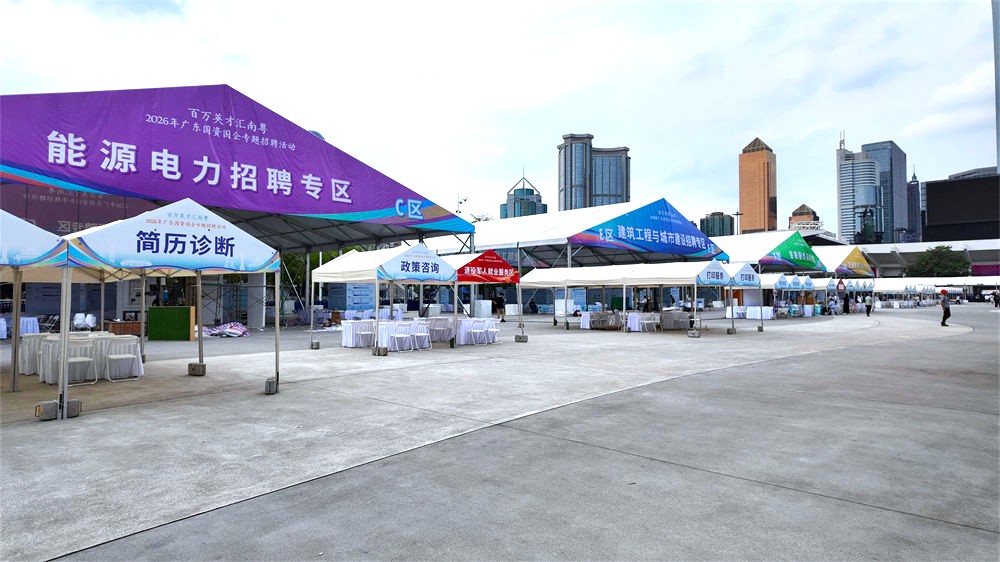
The modern structure tent is a sophisticated piece of temporary infrastructure engineering, not a simple shelter. Its design integrates materials science, structural engineering, and modular architecture to deliver solutions across industries as diverse as hospitality, logistics, humanitarian aid, and agriculture.
When evaluating structure tents for your project, prioritize engineering certifications, wind and snow load ratings, and modular expandability over price alone. A well-specified structure tent, properly maintained, delivers reliable performance for a decade or more — making it one of the most versatile and cost-effective temporary infrastructure investments available today.
Ready to explore structure tent options for your next project? Evaluate your span requirements, climate conditions, and deployment timeline, and consult with a specialist manufacturer to ensure the structure you select meets or exceeds the demands of your specific application.