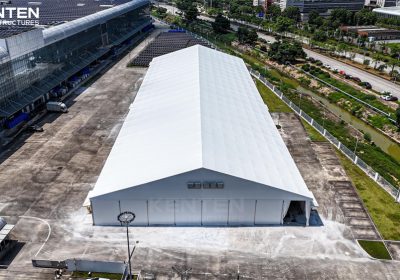
A structure tent, also known as a clear span tent, is a heavy-duty, modular outdoor shelter featuring a rigid aluminum or steel frame that supports the fabric cover without the need for interior center poles. This engineering provides an entirely unobstructed interior space, superior stability against high winds and snow, and extreme versatility for applications ranging from industrial warehousing and sports facilities to high-end luxury weddings and corporate events.

What is a Structure Tent? Understanding the Basics
When people think of “tents,” they often envision camping gear or simple backyard party canopies. However, a structure tent is in a completely different league. These are semi-permanent architectural solutions engineered to withstand the elements while providing maximum interior volume.
Key Features of Structure Tents
The defining characteristic of a structure tent is its “clear span” design. Because the strength of the unit is held within the exterior box-beam frame, there are no interior columns to navigate. This allows for total freedom in floor planning.

Additional features include:
- Tracked Fabric Systems: Unlike traditional tents where the top is pulled over the frame, structure tent fabric is usually “keder-fed” into tracks in the aluminum rafters. This creates a weather-tight seal.
- Modular Design: They are built in sections (bays), meaning a tent can be extended almost indefinitely in length by adding more rafters and fabric panels.
- High Peak Heights: Because of the frame strength, these structures often feature much higher eaves and peaks than traditional frame tents.
Structure Tent vs. Traditional Pole and Frame Tents
To understand the value of a structure tent, it is helpful to compare it to its predecessors:
- Pole Tents: Rely on tension and center poles. While aesthetic, the poles block views and the stakes require a large footprint.
- Traditional Frame Tents: Use a pipe-and-fitting system. While they have no center poles, they are generally not rated for high winds and cannot reach the massive widths (up to 60 meters or more) that a professional structure tent can achieve.
Why Choose a Structure Tent? Key Benefits and Advantages
Investing in a structure tent offers a range of functional and financial benefits that make it the preferred choice for professional event planners and industrial site managers alike.
1. Maximum Space Efficiency (Clear Span Design)
The “Clear Span” nature is the primary selling point. Whether you are setting up a temporary warehouse where forklifts need to move freely or a wedding where you want an unobstructed view of the stage, the lack of interior poles is a game-changer. You get 100% use of the square footage you pay for.
2. Extreme Durability and Weather Resistance
Structure tents are engineered to meet local building codes. While a standard pop-up tent might fail in a stiff breeze, a high-quality structure tent is often rated for wind speeds of 60–100 mph. The heavy-duty PVC-coated polyester fabric is also waterproof, UV-resistant, and flame-retardant, providing a safe environment regardless of the forecast.
3. Modular Versatility and Scalability
The modular nature of the structure tent means it can adapt to your specific needs. If you start with a 20m x 30m structure and find you need more space, you can simply add more 5-meter bays to extend the length. This makes them an excellent long-term investment for growing businesses.
4. Site Adaptability
Structure tents can be installed on almost any surface—grass, asphalt, concrete, or even rooftops. While staking is the most secure method, they can also be held down using concrete ballasts or weight plates where ground penetration is not allowed, making them ideal for urban environments.
Common Applications for Structure Tents
Because of their robust nature, structure tents serve a wide variety of industries. Here are the most common ways they are utilized today:
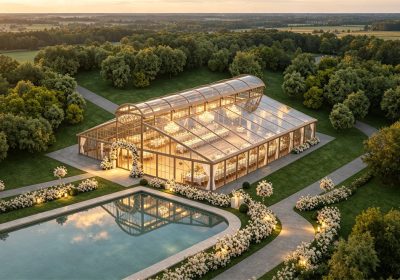
High-End Events and Weddings

For luxury weddings, the structure tent serves as a blank canvas. The high ceilings allow for massive chandeliers, hanging floral arrangements, and elaborate lighting rigs. Because the walls can be made of clear PVC or glass, they offer a “greenhouse” effect that brings the outdoors in while keeping guests in climate-controlled comfort.
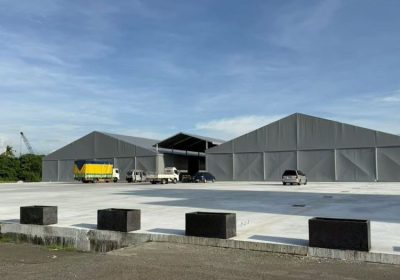
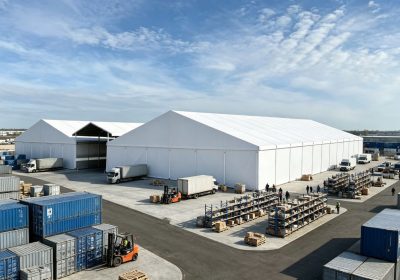
Industrial Warehousing and Storage
Many logistics companies use structure tents as temporary or semi-permanent warehouses. They are cost-effective alternatives to permanent brick-and-mortar buildings. They can be used for:
- Overstock storage during peak seasons.
- Construction site workshops.
- Loading docks and port storage.

Sports and Recreation Facilities
From temporary ice rinks and tennis courts to swimming pool enclosures, the clear span design is perfect for sports. The height of the structure allows for high-clearance activities like volleyball or basketball without interference from the ceiling.

Emergency and Medical Relief
In times of crisis, speed is essential. Structure tents can be deployed quickly to serve as field hospitals, testing sites, or emergency shelters. Their ability to be climate-controlled makes them suitable for housing sensitive medical equipment and providing a comfortable space for patients.
Technical Specifications to Consider
When sourcing a structure tent, it is vital to look past the aesthetics and focus on the engineering. Not all structures are created equal.
Frame Materials: Aluminum Alloy vs. Steel
Most modern structure tents utilize high-grade extruded aluminum alloy (usually 6061/T6). Aluminum is preferred because:
- It is lightweight yet incredibly strong.
- It is naturally resistant to rust and corrosion.
- It has a cleaner, more professional look than galvanized steel.
Fabric Options
The “skin” of the tent is typically made of PVC-coated polyester textile. When choosing your fabric, consider:
- Opacity: Do you want a “blackout” roof to keep the interior cool and dark for AV presentations, or a “translucent” roof to let in natural light?
- Weight: Standard weights range from 650g/sqm to 850g/sqm. Heavier fabric generally lasts longer and offers better insulation.
- Safety Certifications: Ensure the fabric meets fire retardancy standards such as NFPA 701 or DIN 4102 B1/M2.
Snow and Wind Load Ratings
If you plan to leave your structure tent up year-round, you must check the snow and wind load ratings. A structure intended for a Florida summer will have different engineering requirements than one intended for a Canadian winter. Always ask for the engineering blueprints if the tent is for long-term use.
Customization and Accessories
One of the reasons the structure tent is so popular is its ability to be customized until it resembles a permanent building.
1. Flooring and Sub-flooring
You can install integrated wooden flooring systems that lock directly into the tent frame. This provides a level, dry surface for guests or equipment. For industrial use, heavy-duty plastic matting can be used to protect the ground.
2. Hard Walls and Glass Doors
While soft PVC sidewalls are standard, you can upgrade to:
- ABS Hard Walls: Provides better security and insulation for warehouses.
- Glass Wall Panels: Offers a premium aesthetic for showrooms and weddings.
- Sandwich Panels: Ideal for maximum thermal insulation in extreme climates.
3. HVAC and Climate Control
Structure tents are remarkably air-tight compared to other tent types. This makes them highly efficient to heat or cool. Specialized HVAC units can be ducted into the tent through discrete vents, ensuring a comfortable 72-degree interior even when it’s 90 degrees outside.
Buying vs. Renting a Structure Tent
A common dilemma for businesses is whether to purchase or lease a structure tent.
When to Rent
- Short-term events: Weddings, festivals, or trade shows lasting less than a month.
- Limited Storage: If you don’t have the space to store the aluminum beams and fabric when not in use.
- Professional Installation: Rental companies handle the complex logistics of setup and teardown.
When to Buy
- Long-term use: If you need the structure for more than 6 months, the cost of renting often exceeds the purchase price.
- Frequent events: If you host multiple events per year, owning the asset pays for itself quickly.
- Custom branding: If you want your company logo printed directly on the fabric.
- Permanent storage: When used as a warehouse, purchasing provides a long-term capital asset with low maintenance costs.
How to Install and Maintain Your Structure Tent
The installation of a structure tent is a significant undertaking that requires specialized equipment like forklifts, man-lifts, and a trained crew.
Installation Steps
- Site Preparation: Ensure the ground is relatively level and clear of debris.
- Layout: Lay out the aluminum rafters and columns on the ground.
- Frame Assembly: Assemble the gable ends and intermediate bays.
- The “Big Lift”: Using a winch or forklift, the assembled frames are raised and braced.
- Fabric Installation: The roof panels are slid through the keder tracks and tensioned.
- Anchoring: The structure is secured to the ground using stakes or weights.
Maintenance Tips
To maximize the lifespan of your structure tent, follow these guidelines:
- Clean the PVC regularly: Use mild soap and water. Avoid harsh chemicals that can strip the UV coating.
- Inspect the hardware: Periodically check bolts and pins for signs of wear or looseness.
- Store dry: Never pack away the fabric while it is wet, as this will lead to mold and mildew growth.
- Check tensioning: Over time, fabric may stretch. Re-tensioning the roof panels ensures water doesn’t pool during rain.
Frequently Asked Questions (FAQ)
How long does a structure tent last?
With proper maintenance, the aluminum frame can last 20+ years. The PVC fabric covers typically last 5 to 10 years depending on UV exposure and weather conditions before they need replacement.
Can a structure tent be used in the winter?
Yes! Many structure tents are specifically engineered for winter use. By using “heavy snow” kits (additional bracing) and heating systems, they can remain operational throughout the coldest months.
How much does a structure tent cost?
Pricing varies wildly based on size, customization, and engineering specs. Generally, a structure tent starts at $30–$100 per square meter for the basic unit, with costs increasing for accessories like glass walls or flooring.
Do I need a permit for a structure tent?
In most jurisdictions, yes. Because they are considered “temporary structures,” they must meet fire and safety codes. Always check with your local building department before installation.
Conclusion: Is a Structure Tent Right for You?
The structure tent represents the pinnacle of temporary shelter technology. Its combination of clear-span space, rugged durability, and modular flexibility makes it an unmatched solution for anyone needing a high-quality outdoor venue or industrial space.
Whether you are a couple planning the wedding of your dreams, a logistics manager needing emergency storage, or a sports club looking to cover your courts, the structure tent provides a professional, reliable, and aesthetically pleasing environment. By choosing the right frame specifications and customizing with the necessary accessories, you can create a space that feels every bit as permanent and comfortable as a traditional building, with a fraction of the construction time and cost.
When looking to invest in a structure tent, always prioritize quality engineering and reputable manufacturers to ensure your investment stands strong against the elements for years to come.