1. What Is a Structure Tent?
A structure tent is a modular building system constructed using engineered aluminum alloy frames and PVC fabric membranes. Unlike traditional tents supported by center poles, a clear span tent creates a completely open interior space without internal columns.
The absence of interior supports provides maximum usable floor area, making these structures ideal for:
Warehouses
Sporting venues
Wedding venues
Aircraft hangars
Manufacturing facilities
Exhibition halls
Event hospitality
Commercial spaces
Emergency shelters
Temporary terminals
Because the frame bears the structural load instead of center poles, equipment, seating, shelving, machinery, and large vehicles can move freely throughout the building.
What Does “Clear Span” Mean?
The term clear span refers to the distance between two side supports without any interior columns.
For example:
10m clear span
20m clear span
40m clear span
50m clear span
60m clear span
80m clear span
This uninterrupted interior offers several advantages:
Maximum floor utilization
Flexible interior layouts
Easy vehicle access
Efficient logistics
Better visitor flow
Simplified equipment installation
Compared with conventional tents, clear span structures provide a much more functional environment for commercial and industrial applications.
Key Characteristics of Structure Tents
Modern structure tents typically include:
High-strength aluminum frame
The frame is manufactured using extruded aluminum alloy profiles designed for high structural strength while maintaining a lightweight construction.
KENTEN utilizes high-strength 6061-T6 and 6082-T6 aluminum alloy, combined with precision CNC processing and anodized surface treatment for enhanced durability and corrosion resistance.
Modular design
Each bay is manufactured as a standardized module.
Benefits include:
- Expandable length
- Easy transportation
- Quick assembly
- Simplified maintenance
- Future expansion
If additional warehouse space is needed, new bays can simply be added without rebuilding the entire structure.
Engineered PVC membrane
The roof and wall coverings are manufactured using architectural-grade PVC fabric.
Benefits include:
- Waterproof
- UV resistant
- Flame retardant
- Anti-mildew
- Long service life
- Easy cleaning
KENTEN offers PVC fabric weights from 650 g/m² to 900 g/m², including white, translucent, blackout, and clear PVC options. The membranes comply with flame-retardant standards including B1 (China), M1 (France), DIN B1 (Germany), and NFPA 701 (USA).
Rapid deployment
Unlike concrete buildings that often require years of construction, structure tents can frequently be installed within days or weeks, depending on project size.
This makes them especially valuable for:
- Temporary warehouses
- Seasonal operations
- Emergency response
- Event infrastructure
- Business expansion
Advantages Over Traditional Tents
Modern clear span structures outperform conventional tents in nearly every category.
| Feature | Structure Tent | Traditional Pole Tent |
|---|---|---|
| Interior columns | None | Required |
| Wind resistance | Excellent | Moderate |
| Snow capacity | High | Limited |
| Expandable | Yes | Limited |
| Industrial use | Yes | No |
| Large machinery | Yes | Difficult |
| Climate control | Easy | Limited |
| Permanent appearance | Yes | No |
For businesses seeking a professional, long-term solution, structure tents provide significantly greater value and versatility.
2. Types of Structure Tents
Different applications require different structural designs. Selecting the appropriate shape depends on aesthetics, functional requirements, available space, and environmental conditions.
A-Frame Structure Tent
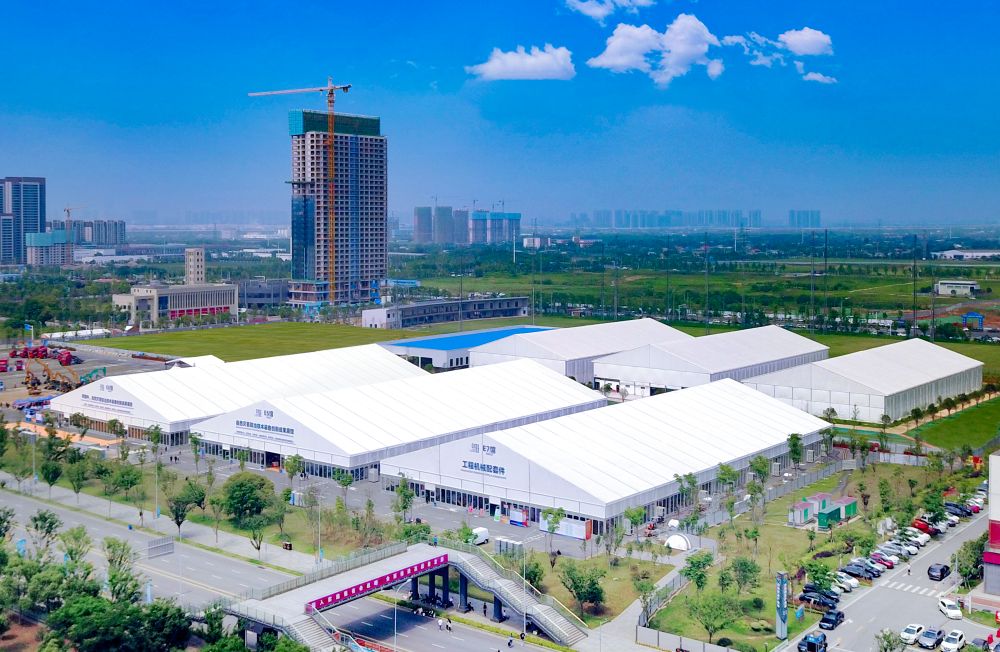
The A-frame design is the industry’s most widely used structure.
Its symmetrical roof distributes loads efficiently, making it suitable for both temporary and semi-permanent installations.
Common applications include:
Weddings
Trade shows
Sports venues
Warehouses
Exhibition halls
Corporate events
Advantages:
Excellent structural stability
Flexible span options
Cost-effective
Easy expansion
Compatible with glass walls and insulated panels
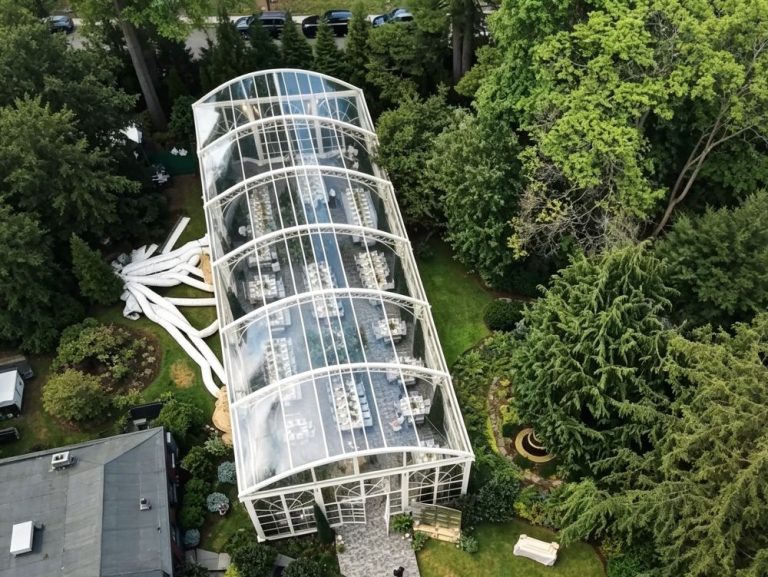
Curved Structure Tent
Curved structures combine modern aesthetics with enhanced aerodynamic performance.
The curved roof reduces wind resistance while providing an elegant architectural appearance.
Ideal for:
- Premium event venues
- Hospitality spaces
- Sports arenas
- Retail pavilions
- Airport terminals
KENTEN manufactures curved structures with spans ranging from 3 m to 60 m, featuring modular bay spacing and aluminum alloy frames.
Atrium Structure
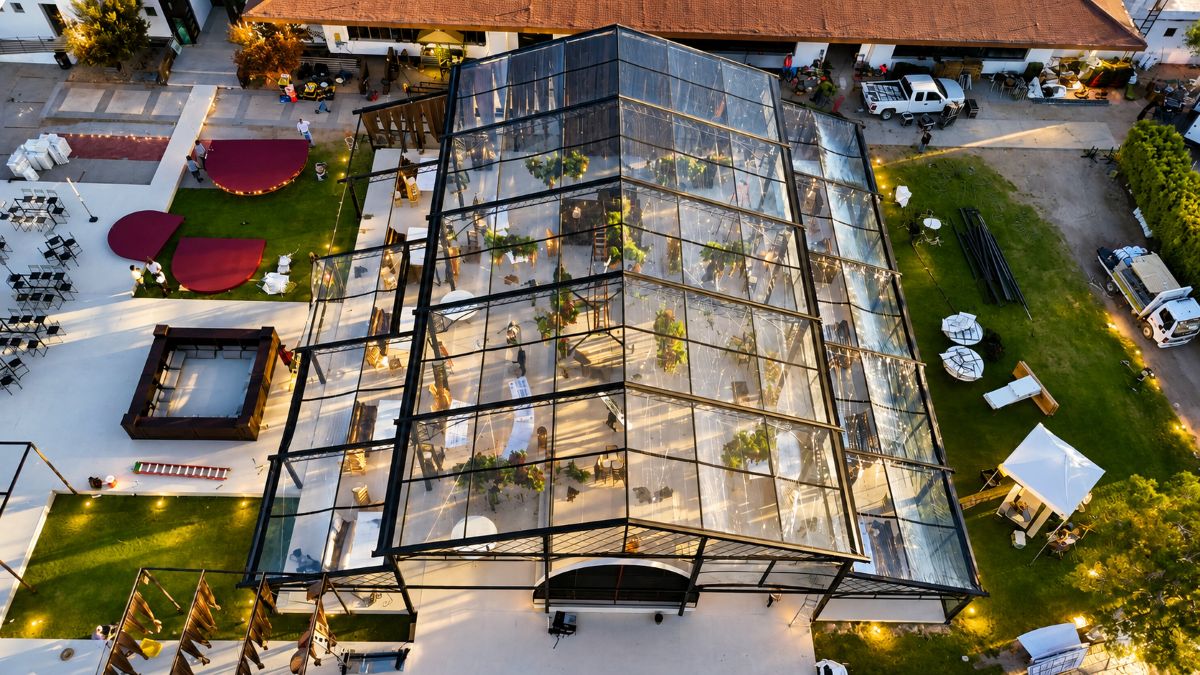
Atrium structures combine aluminum frames with extensive glass walls and transparent roofing to create elegant architectural spaces.
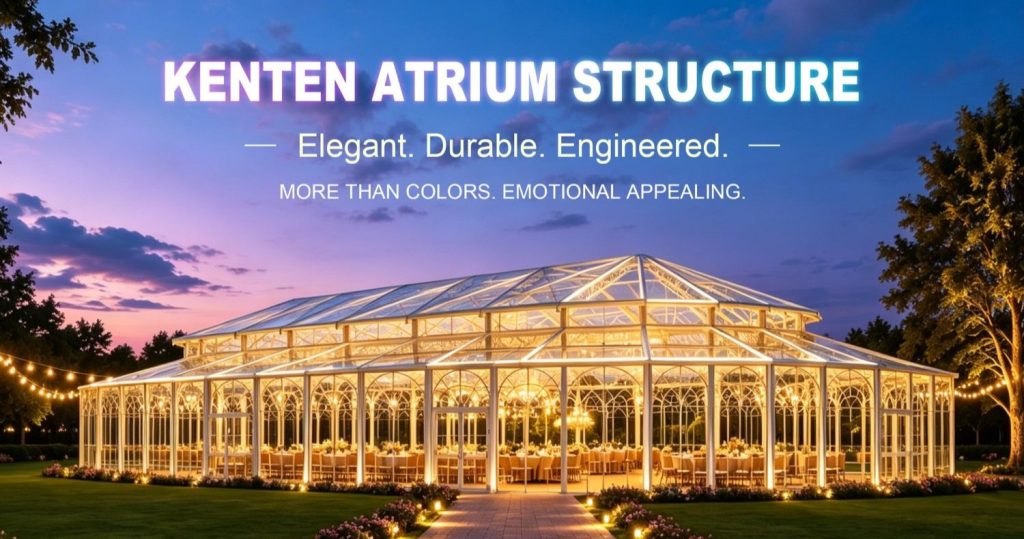
Popular uses include:
- Luxury weddings
- Banquet halls
- Resorts
- Restaurants
- Garden events
KENTEN’s Atrium series supports spans from 20 m to 40 m with unlimited modular length, making it suitable for large-scale hospitality projects.
Choosing by Size
Small Structure Tents (3–10 m)
Suitable for:
- Garden events
- Pop-up retail
- Reception areas
- Outdoor dining
- Small storage
Advantages:
- Fast installation
- Low transportation costs
- Portable
- Budget friendly
Medium Structure Tents (10–30 m)
These are the most commonly requested commercial sizes.
Applications include:
- Weddings
- Sports courts
- Workshops
- Restaurants
- Corporate events
- Retail buildings
Medium spans balance affordability with excellent interior flexibility.
Large Structure Tents (30–80 m)
Large-span structures support demanding industrial applications.
Typical projects include:
- Logistics centers
- Distribution warehouses
- Manufacturing
- Aircraft hangars
- Stadium infrastructure
- International exhibitions
KENTEN manufactures clear span structures with widths up to 80 meters, allowing expansive column-free interiors for heavy-duty commercial use.
Choosing by Application
Event Structure Tents
Designed for aesthetics and guest comfort.
Features include:
- Glass walls
- Decorative ceilings
- Luxury flooring
- Air conditioning
- Lighting systems
- VIP entrances
Ideal for:
- Weddings
- Concerts
- Formula racing hospitality
- Trade fairs
- Government ceremonies
Industrial Structure Tents
Industrial structures prioritize durability and operational efficiency.
Common features include:
- High sidewalls
- Large rolling doors
- Crane compatibility
- Ventilation
- Insulated wall systems
- Heavy-duty anchoring
These structures serve manufacturing, production, and industrial processing operations.
Warehouse Structure Tents
Warehouse tents provide rapid storage expansion without the long construction timelines associated with conventional buildings.
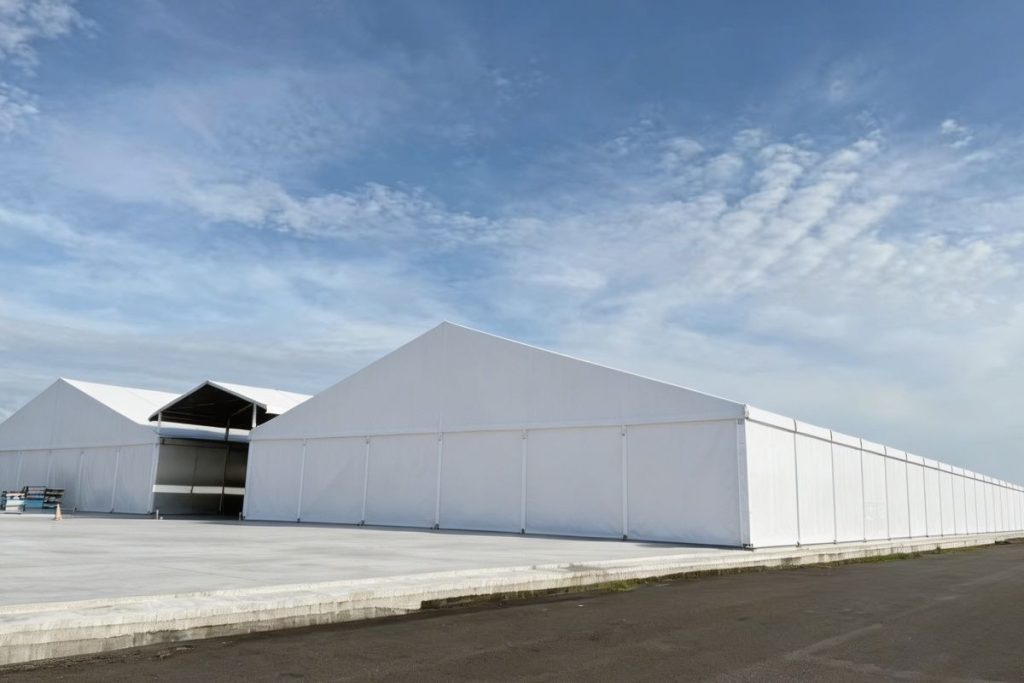
They are widely used for:
- Logistics
- Inventory overflow
- Distribution
- Equipment storage
- Seasonal inventory
- Construction materials
Compared with permanent warehouses, they offer significantly faster deployment and lower initial investment while maintaining excellent durability.
3. Technical Specifications
One of the primary reasons businesses choose modern structure tents is their engineered structural performance. Unlike lightweight party tents, commercial clear span structures are designed to meet demanding requirements for strength, safety, and long-term reliability.
The following technical elements are essential when evaluating a professional-grade structure tent.

Aluminum Alloy Frame System
The frame is the backbone of any structure tent. High-quality manufacturers use extruded aluminum alloys that combine exceptional strength with corrosion resistance and reduced weight.
KENTEN manufactures its primary structural components using 6061-T6 and 6082-T6 aluminum alloy, with anodized surface treatment and precision CNC machining to ensure dimensional accuracy and long service life.
PVC Fabric Grades & Certifications
The membrane fabric is just as important as the frame. High-quality PVC fabric not only protects the interior from weather but also contributes to the overall lifespan, safety, and appearance of the structure.
Commercial-grade structure tents typically use double-sided PVC-coated polyester fabric with high tensile strength, UV protection, waterproof treatment, and anti-fungal coatings.
KENTEN offers multiple PVC fabric options to meet different project requirements:
| Fabric Type | Weight | Typical Application |
|---|---|---|
| PVC White | 650 g/m² | Standard events |
| PVC White | 750 g/m² | Commercial use |
| PVC White | 850 g/m² | Industrial buildings |
| PVC Blackout | 900 g/m² | Warehouses, production facilities |
| Clear PVC | 900 g/m² | Weddings, exhibitions, atriums |
All PVC membranes are designed for:
100% waterproof performance
UV resistance
Anti-mildew treatment
Easy cleaning
Long outdoor service life
Excellent tensile strength
According to the KENTEN product catalog, available membrane certifications include:
B1 (China)
M1 (France)
DIN 4102 B1 (Germany)
NFPA 701 (United States)
These certifications demonstrate compliance with internationally recognized flame-retardant standards for commercial and public-use structures.
Wind Load Performance
One of the biggest advantages of a clear span structure tent is its ability to withstand challenging weather conditions.
Unlike lightweight party tents, commercial aluminum structures are engineered to resist significant wind loads through:
- High-strength aluminum trusses
- Reinforced steel connectors
- Precision tensioning systems
- Secure anchoring methods
- Aerodynamic roof designs
Actual wind resistance depends on several factors, including:
- Span width
- Sidewall height
- Roof geometry
- Site location
- Foundation type
- Local building codes
For projects located in coastal, mountainous, or high-wind regions, engineering calculations should always be performed before installation.
Snow Load Capacity
Snow accumulation places significant vertical loads on roof structures.
Commercial structure tents can be designed with snow load capacities suitable for seasonal or permanent installations by incorporating:
Larger aluminum profiles
Increased roof pitch
Additional structural bracing
Reinforced connectors
Double-layer roof systems
For example, KENTEN’s multi-story structures are designed with roof load capacities ranging from 200–500 kg/m², depending on the specific system configuration.
When selecting a structure for cold climates, always verify that the design complies with local snow load requirements.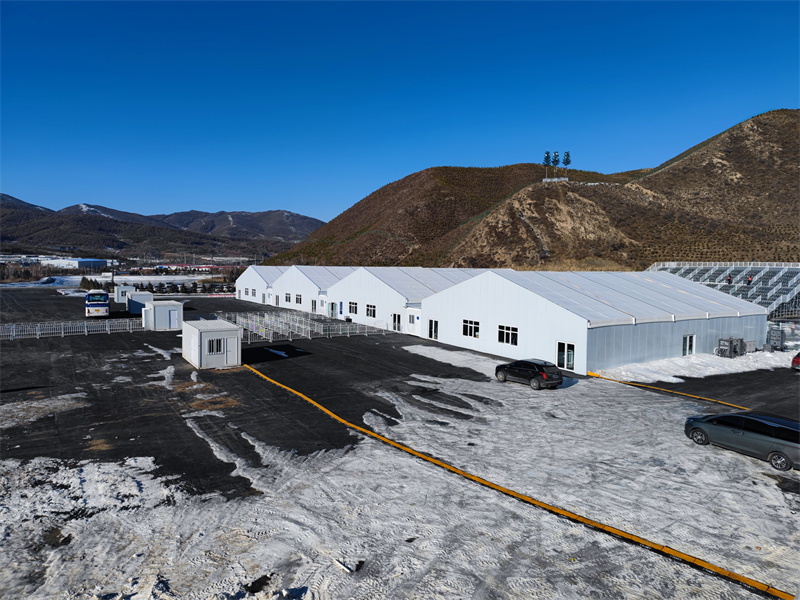
At the Beijing 2022 Winter Olympics, KENTEN aluminum alloy structure tents demonstrated their resistance to wind and snow in low-temperature environments.
Fire Retardant Standards
Fire safety is essential for commercial buildings, public events, and industrial facilities.
Professional structure tents should use flame-retardant materials that comply with recognized international standards.
Common certifications include:
NFPA 701 (USA)
DIN 4102 B1 (Germany)
M1 (France)
B1 (China)
These certifications help reduce flame spread and improve overall safety during operation.
4. Structure Tent Components
Understanding the major components of a structure tent helps buyers evaluate quality and compare different manufacturers.
Main Aluminum Frame
The structural frame forms the backbone of the building.
It typically includes:
Main rafters
Side columns
Ridge beams
Purlins
Cross braces
Roof trusses
Aluminum channels
KENTEN uses precision CNC-machined aluminum alloy profiles to ensure consistent dimensional accuracy, structural integrity, and efficient installation.
Steel Connectors
Although aluminum forms the primary frame, steel components provide critical reinforcement at connection points.
These include:
- Base plates
- Connector plates
- Bolts
- Pins
- Brackets
- Clamping plates
KENTEN manufactures steel components from Q235 and Q355 steel with hot-dip galvanized surface treatment to improve corrosion resistance and durability.
Roof Fabric
The roof membrane provides weather protection while maintaining structural tension.
Available options include:
- White PVC
- Blackout PVC
- Transparent PVC
- Double-layer insulated roofs
- Inflatable roof systems
Different roof systems can improve thermal performance, acoustic comfort, and energy efficiency depending on the application.
Sidewall Systems
Sidewalls are available in various configurations depending on the intended use.
Popular choices include:
- PVC sidewalls
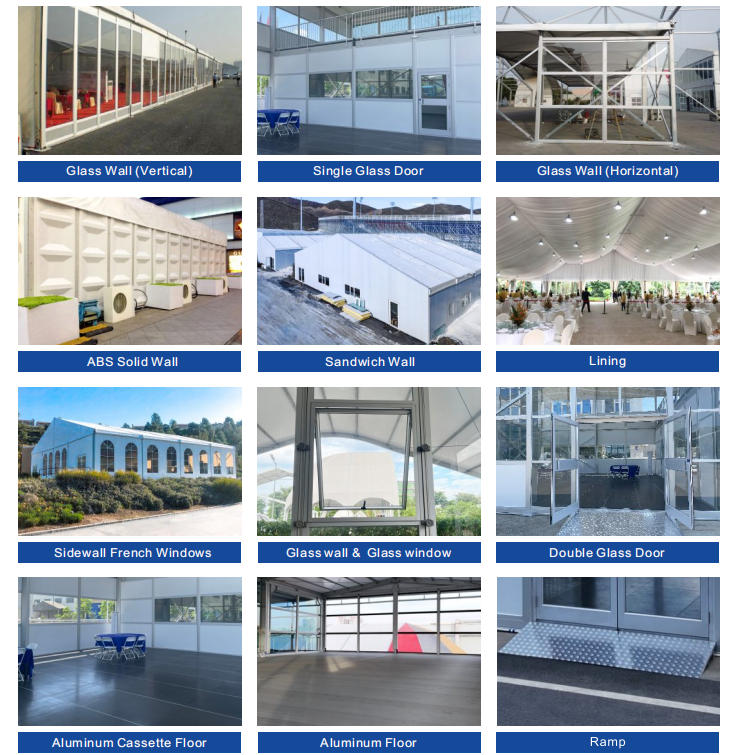
- Glass walls
- Sandwich panel walls
- ABS solid walls
- Aluminum composite walls
- Insulated wall panels
Glass wall systems are commonly selected for luxury weddings and exhibition venues, while insulated sandwich panels are preferred for industrial buildings.
Anchoring Systems
Proper anchoring ensures structural stability under wind and operational loads.
Common methods include:
- Ground stakes
- Expansion bolts
- Concrete anchors
- Steel base plates
- Ballast weights
KENTEN supports both ground stake anchoring and weight-based anchoring solutions depending on site conditions.
Doors and Access Systems
Access options vary depending on the project’s function.
Common door systems include:
- Single glass doors
- Double glass doors
- Electric rolling doors
- Aluminum shutter doors
- Emergency exits
- Personnel doors
For logistics and industrial facilities, oversized rolling doors facilitate forklift and truck access.
Windows and Ventilation
Ventilation enhances indoor comfort and reduces condensation.
Options include:
- PVC windows
- Glass windows
- Louvre vents
- Exhaust fans
- Roof ventilation
- Roller windows with insect screens
Flooring Systems
Structure tents can be installed over:
- Existing concrete slabs
- Asphalt
- Grass
- Gravel
- Sand
Optional flooring includes:
- Aluminum flooring
- Cassette flooring
- Wooden flooring
- Raised modular flooring
- Heavy-duty industrial flooring
Interior Accessories
To create a complete building solution, structure tents can be equipped with numerous accessories.
KENTEN offers options including:
- Glass walls
- Sandwich walls
- Aluminum cassette flooring
- Air conditioning
- LED lighting
- PVC gutters
- Exhaust fans
- Weight plates
- Hanging components
- Rolling windows
- Decorative ceiling liners
5. Customization Options
Every project has unique operational requirements. One of the greatest advantages of a modular structure tent is its flexibility in design and configuration.
Size Customization
Unlike conventional buildings with fixed layouts, structure tents can be tailored to match virtually any project footprint.
Typical customization includes:
- Width: 3–60 m
- Unlimited modular length
- Sidewall height adjustments
- Roof height options
- Multi-bay expansion
- Multi-story structures
As business needs change, additional bays can be added with minimal disruption, making modular structures an excellent long-term investment.
Color Options
PVC fabric is available in a variety of colors, including:
- White
- Black
- Beige
- Gray
- Transparent
- Custom corporate colors
Color customization helps align the structure with brand identity, event themes, or architectural aesthetics.
Branding & Graphics
For exhibitions, sporting events, and corporate activations, branded structures provide outstanding marketing value.
Customization options include:
- Full building graphics
- Logo printing
- Digital banners
- Sponsor branding
- Interior signage
- Entrance arches
Large-format printed PVC membranes transform the entire structure into a highly visible promotional asset.
Glass & Architectural Walls
Architectural wall systems create a premium appearance suitable for luxury venues.
Available options include:
- Horizontal glass walls
- Vertical glass walls
- Full-height glazing
- Curtain wall systems
- Sliding glass doors
These features maximize natural light while enhancing the visual appeal of the structure.
Climate Control
Comfort is essential for both temporary and semi-permanent buildings.
Optional environmental systems include:
- HVAC
- Air conditioning
- Heating
- Roof insulation
- Double-layer membrane roofs
- Ventilation systems
These solutions help maintain comfortable indoor temperatures throughout the year.
Flooring Solutions
Depending on the intended use, flooring can be customized with:
- Aluminum cassette flooring
- Modular flooring
- Timber flooring
- Carpet
- Vinyl finishes
- Heavy-duty industrial surfaces
Premium flooring improves aesthetics, comfort, and durability for commercial and event applications.
Lighting Systems
Lighting options can dramatically enhance functionality and atmosphere.
Available systems include:
- LED high-bay lights
- Decorative chandeliers
- Track lighting
- Spotlights
- Emergency lighting
- Intelligent lighting controls
Proper lighting is particularly important for exhibitions, sporting events, and evening functions.
6. Structure Tent vs Other Tent Types
Choosing the right temporary or semi-permanent structure depends on your project’s purpose, budget, expected lifespan, and environmental conditions. While many people use the terms structure tent, frame tent, and marquee interchangeably, there are significant differences in performance and capabilities.
Below is a detailed comparison to help you make an informed decision.
Structure Tent vs Pole Tent
A pole tent is one of the oldest tent styles, relying on center poles and guy ropes for support. Although it is suitable for small outdoor events, it has several limitations compared to a modern clear span structure tent.
| Feature | Structure Tent | Pole Tent |
|---|---|---|
| Interior Columns | None | Required |
| Usable Space | 100% | Limited |
| Wind Resistance | Excellent | Moderate |
| Snow Load | High | Low |
| Expansion | Modular | Difficult |
| Industrial Use | Yes | No |
| Permanent Installation | Yes | No |
| Glass Walls | Available | Not Available |
When to Choose a Pole Tent
Pole tents are suitable for:
- Garden parties
- Family celebrations
- Small community events
- Temporary outdoor gatherings
When to Choose a Structure Tent
Structure tents are ideal for:
- Warehouses
- Exhibition centers
- Sports facilities
- Luxury weddings
- Aircraft hangars
- Manufacturing plants
- Logistics centers
- Commercial buildings
For long-term use or projects requiring durability and flexibility, a structure tent offers significantly greater value.
Structure Tent vs Frame Tent
Frame tents eliminate center poles, making them more versatile than pole tents. However, they generally use lighter-duty frames and are designed for smaller events.
Frame Tent Advantages
- Fast installation
- Suitable for short-term events
- Lower initial cost
- Portable
Structure Tent Advantages
- Larger clear spans
- Higher wind resistance
- Better snow performance
- Taller sidewalls
- Heavy-duty aluminum frames
- Long service life
- Expandable design
Businesses planning to use a structure for months or years typically benefit more from a commercial-grade structure tent.
Structure Tent vs Traditional Marquee
Traditional marquees are popular for weddings and private events, but they are not engineered for demanding commercial applications.
Traditional Marquee
Best suited for:
- Weekend events
- Garden weddings
- Temporary parties
Structure Tent
Suitable for:
- Semi-permanent buildings
- Industrial operations
- Logistics centers
- Public venues
- Sports arenas
- Government infrastructure
The ability to integrate glass walls, insulated panels, HVAC systems, lighting, and flooring makes a structure tent much closer to a permanent building than a conventional marquee.
Which Option Is Best?
The answer depends on your project.
Choose a structure tent if you need:
- Long-term durability
- Large clear spans
- Professional appearance
- Future expansion
- Heavy equipment access
- Lower lifecycle costs
- Faster construction than traditional buildings
7. Buying Guide
Investing in a structure tent is similar to investing in a commercial building. Careful planning ensures you choose a solution that meets your operational needs today while allowing for future growth.
Step 1: Determine Your Application
Start by identifying the primary purpose of the structure.
Examples include:
- Warehouse
- Manufacturing
- Exhibition hall
- Sports venue
- Wedding venue
- Retail showroom
- Aircraft hangar
- Emergency shelter
Different applications require different roof heights, wall systems, doors, and accessories.
Step 2: Calculate the Required Size
Consider the following questions:
- How many people will occupy the building?
- What equipment will be stored?
- Will forklifts or trucks operate inside?
- Is future expansion likely?
- What is the available site area?
Because structure tents use modular bays, increasing the building length in the future is relatively simple.
Step 3: Evaluate Structural Quality
A high-quality structure tent should include:
✓ High-strength aluminum alloy frame
✓ Precision CNC machining
✓ Hot-dip galvanized steel components
✓ Certified PVC membrane
✓ Engineered connection system
✓ Professional structural calculations
KENTEN manufactures aluminum frames using 6061-T6 and 6082-T6 aluminum alloy, precision CNC equipment, and galvanized steel components to ensure long-term structural reliability.
Step 4: Verify Certifications
Always request documentation confirming product quality.
Important certifications may include:
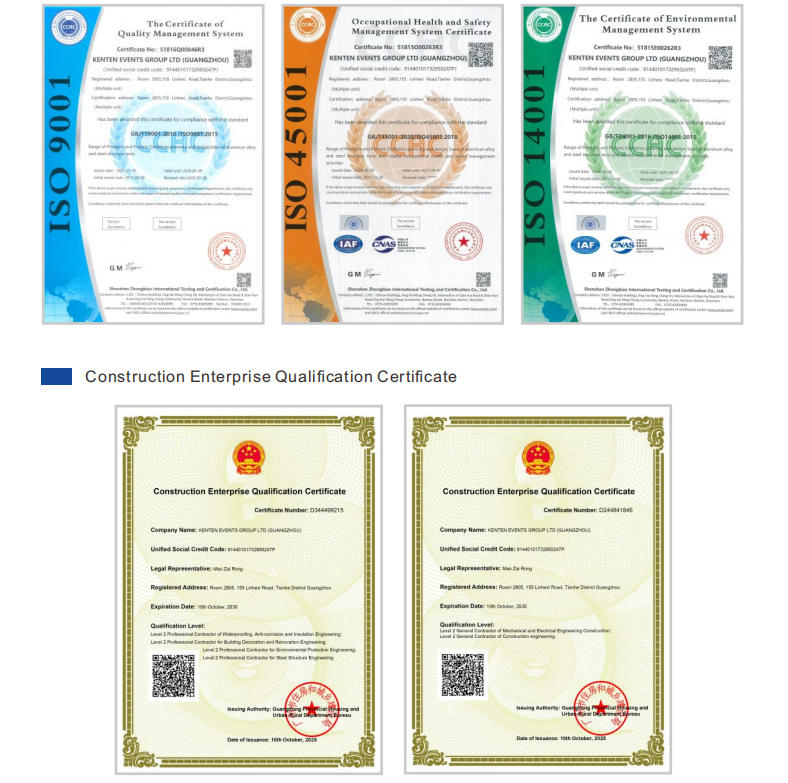
- ISO 9001 Quality Management
- ISO 14001 Environmental Management
- ISO 45001 Occupational Health & Safety
- Flame-retardant certifications
- Structural engineering reports
KENTEN operates under certified quality management systems and has been recognized as a high-tech enterprise with multiple patented technologies.
Step 5: Consider Total Project Cost
The purchase price is only one part of the investment.
Other factors include:
- Transportation
- Installation
- Foundation
- Flooring
- HVAC
- Lighting
- Interior decoration
- Future maintenance
A modular structure often provides a lower total cost of ownership than conventional construction due to faster installation and reduced labor requirements.
8. Installation & Maintenance
One of the greatest advantages of modular structure tents is their efficient installation process.
Installation Process
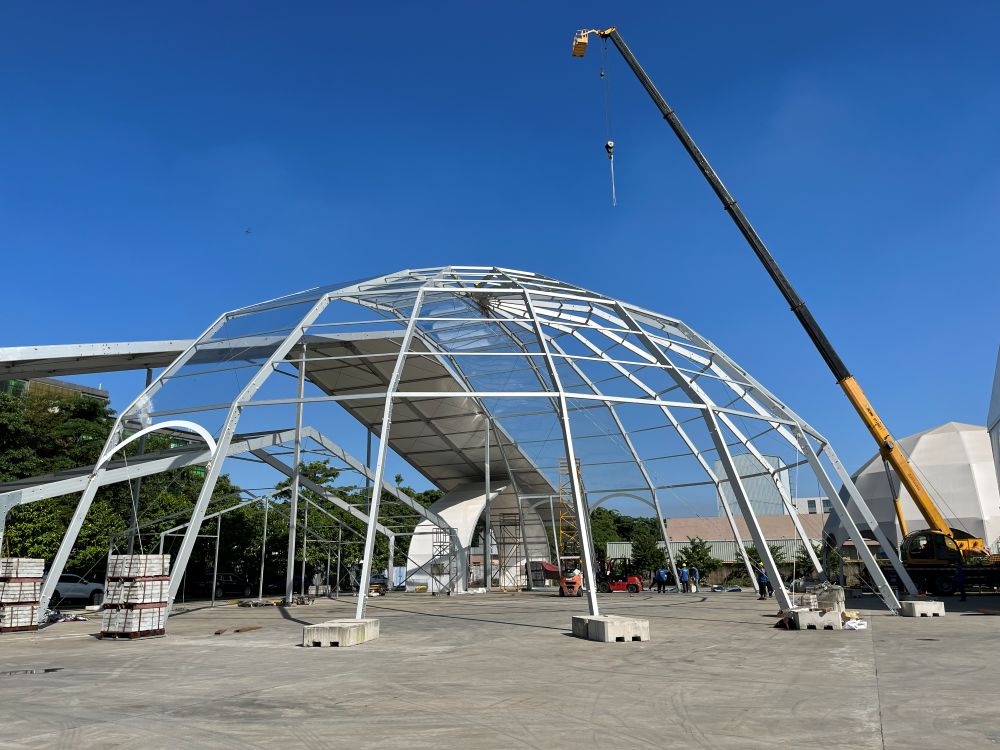
Although each project is unique, a typical installation includes:
- Site survey and planning
- Foundation preparation
- Base plate positioning
- Aluminum frame assembly
- Roof lifting
- PVC membrane installation
- Sidewall installation
- Door installation
- Electrical and HVAC installation
- Final inspection
Professional installation teams can complete many commercial projects in a fraction of the time required for traditional construction.
Foundation Options
Structure tents can be installed on various surfaces, including:
- Concrete slabs
- Asphalt
- Gravel
- Compacted soil
- Grass
- Existing industrial yards
Anchoring methods are selected based on soil conditions, wind requirements, and project duration.
Routine Maintenance
Routine inspections help maximize service life.
Recommended maintenance includes:
- Cleaning PVC fabric
- Checking bolt tightness
- Inspecting aluminum components
- Examining anchors
- Removing excessive snow accumulation
- Inspecting gutters and drainage
- Repairing minor fabric damage promptly
With proper care, commercial structure tents can provide reliable service for many years.
Safety Inspections
Before opening the structure for public or commercial use, verify:
- Structural connections
- Roof tension
- Wall alignment
- Anchor security
- Door operation
- Electrical systems
- Emergency exits
Regular inspections ensure continued compliance with safety requirements and manufacturer recommendations.